All posts in Uncategorized

5 Posts

Week 11: The Media’s Role in Democratic Elections

Greetings class,

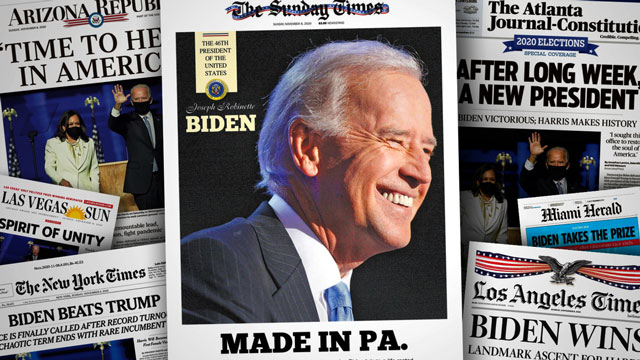
I hope you are well and weathered the rather chaotic last week. Today, I will focus on media coverage of the election. It was a nail-biter but the good news is that news outlets were able to provide accurate and fair updates, despite concerted efforts to spread misinformation. Likewise, social media platforms censored misinformation, particularly that of the president, which could have had a serious negative impact on the elections.

Note: This Monday, November 9, Gerson Borrero of the El Diario will be coming to our synchronous JRN 211 class, 2-3. Please come if you can. Here is the Zoom link.

Topic: Invite November 9 – Gerson Borrero, El Diario
Time: Nov 9, 2020 02:00 PM Eastern Time (US and Canada)

Join Zoom Meeting
https://us02web.zoom.us/j/85113813434?pwd=VFk2b05CTmErOGIwNk9FdU5NcmVEUT09

Meeting ID: 851 1381 3434
Passcode: 015783
One tap mobile
+19292056099,,85113813434# US (New York)

ASSIGNMENT

Read through the lecture. I recommend watching both the Late Show with Stephen Colbert clip and the Time story on the Latino vote, both listed below. For the Discussion Board, we will continue to work on researching your media outlet. This week, please analyze two stories that the outlet covered recently. Were the same stories covered by the mainstream media? If so, do you see different angles or perspectives? How is the outlet serving its community with its coverage?

BIGGEST WHAMMY OF THE WEEK
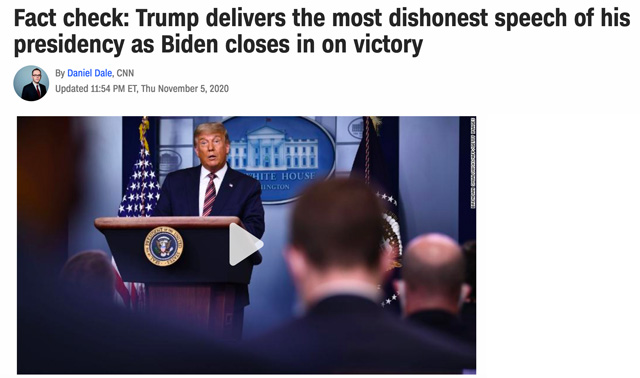
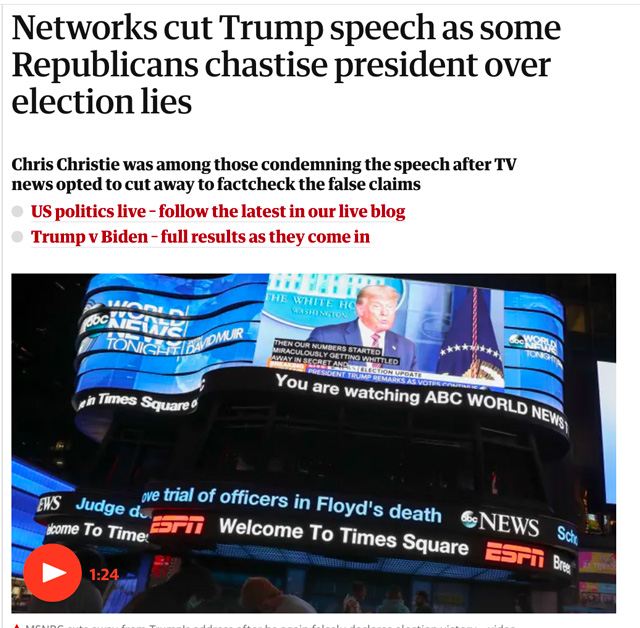
Trump falsely claimed he won the 2020 presidential election even as votes were still being counted in key states. The networks cut away

.
Stephen Colbert reacts to the president’s false claim of winning the election, saying while he knew it was always a possibility, he didn’t think it would hurt so much.

SOCIAL MEDIA CRACKDOWN ON MISINFORMATION
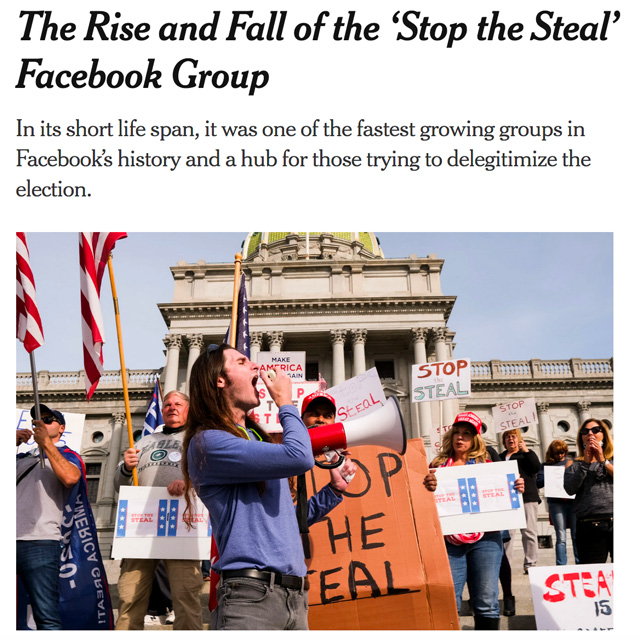
Giant pro-Trump Facebook group shut down for promoting violence

NY Daily News: Some posters were promoting a second civil war, with one sharing an image that said, “Time to clean the guns, time to hit the streets,” according to Vox. The group set up multiple in-person demonstrations in Pennsylvania, Michigan and Arizona to protest continued vote counting in those states. “The group was organized around the delegitimization of the election process, and we saw worrying calls for violence from some members of the group,” Facebook said in a statement to USA Today. The tech giant also cited those in-person protests as a reason for the shutdown.

On Election Day, Facebook and Twitter Did Better by Making Their Products Worse
NYTimes: For the last four years, executives at Facebook, Twitter, YouTube and other social media companies have been obsessed with a single, overarching goal: to avoid being blamed for wrecking the 2020 U.S. election, as they were in 2016, when Russian trolls and disinformation peddlers ran roughshod over their defenses.

So they wrote new rules. They built new products and hired new people. They conducted elaborate tabletop drills to plan for every possible election outcome. And on Election Day, they charged huge, around-the-clock teams with batting down hoaxes and false claims.

So far, it appears those efforts have averted the worst. Despite the frantic (and utterly predictable) attempts from President Trump and his allies to undermine the legitimacy of the vote in the states where he is losing, there have been no major foreign interference campaigns unearthed this week, and Election Day itself was relatively quiet.

Fake accounts and potentially dangerous groups have been taken down quickly, and Facebook and Twitter have been unusually proactive about slapping labels and warnings in front of premature claims of victory. (YouTube was a different story, as evidenced by the company’s slow, tepid response to a video that falsely claimed that Mr. Trump had won the election.)

Twitter permanently suspends Steve Bannon account after talk of beheading
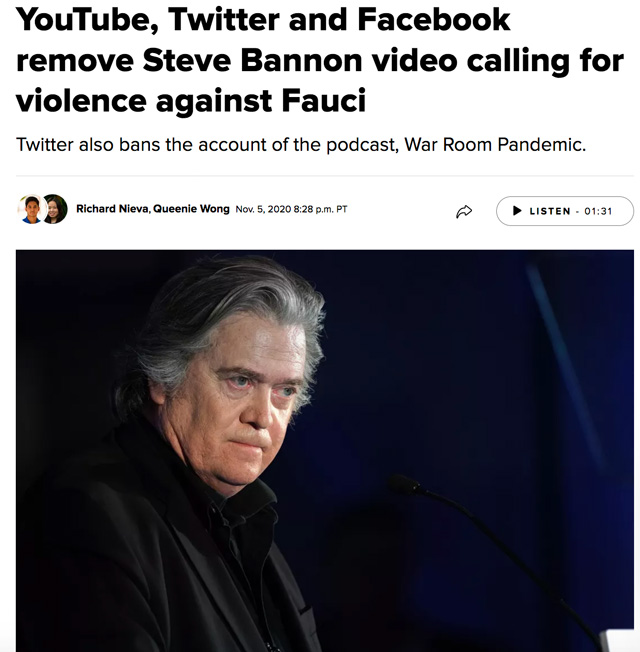
CNN Business: Twitter permanently suspended an account belonging to former White House chief strategist Steve Bannon after he suggested Thursday morning that Dr. Anthony Fauci and FBI Director Christopher Wray should be beheaded. His comments were made in a video posted to his Facebook, YouTube, and Twitter accounts.

Bannon falsely claimed President Trump had won reelection, despite several key states still being too close to call, and said that he should fire both Fauci and Wray. He then said he would go further: “I’d put the heads on pikes. Right. I’d put them at the two corners of the White House as a warning to federal bureaucrats. You either get with the program or you are gone.”

The comments came during a livestream of Bannon’s “War Room: Pandemic” online show. The video was live on Bannon’s Facebook page for about 10 hours Thursday and had been viewed almost 200,000 times before Facebook removed it, citing its violence and incitement policies.

CNN has reached out to Bannon for comment.
NYTImes:

 Twitter

NYTImes:

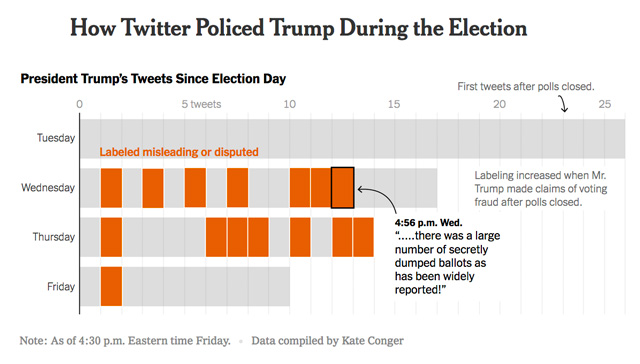
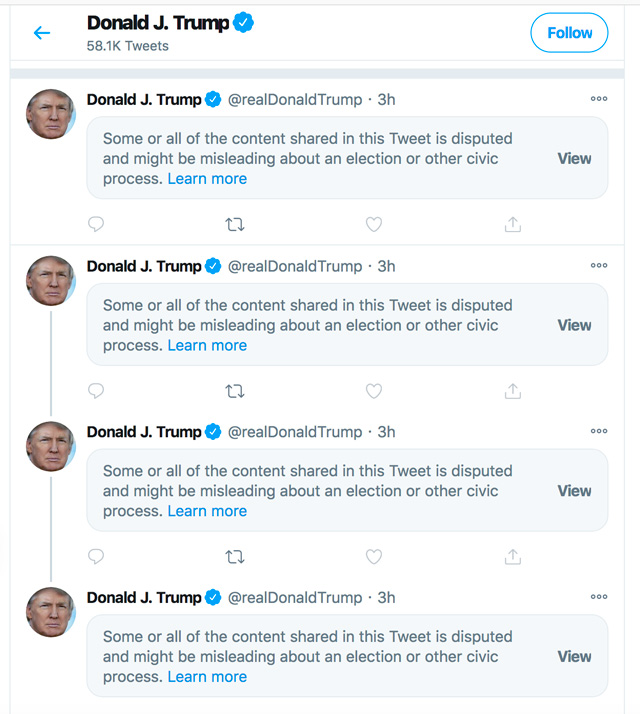
 Earlier Saturday morning, before the race was called for Mr. Biden, Twitter flagged all of President Trump’s early-morning tweets, calling them disputed and potentially misleading after he made baseless claims about election irregularities.

Through Friday afternoon, Twitter labeled 15 of the 44 tweets and retweets Mr. Trump posted since the first polls closed on Election Day, according to a New York Times analysis.
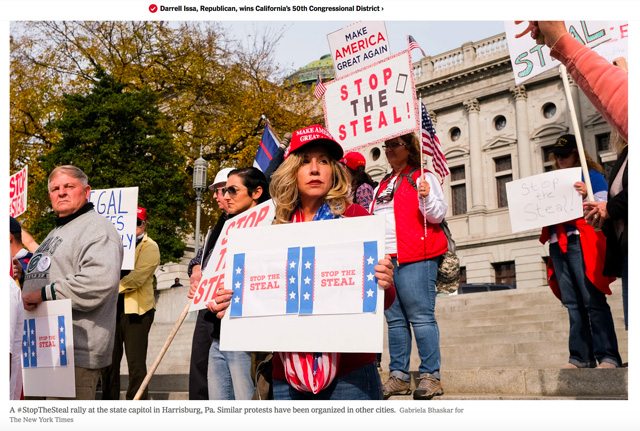
The Disinformation Is Coming From Inside the White House

NYTimes: The president and his allies have united right-wing media and internet trolls with false messaging that legitimate vote counting should stop.
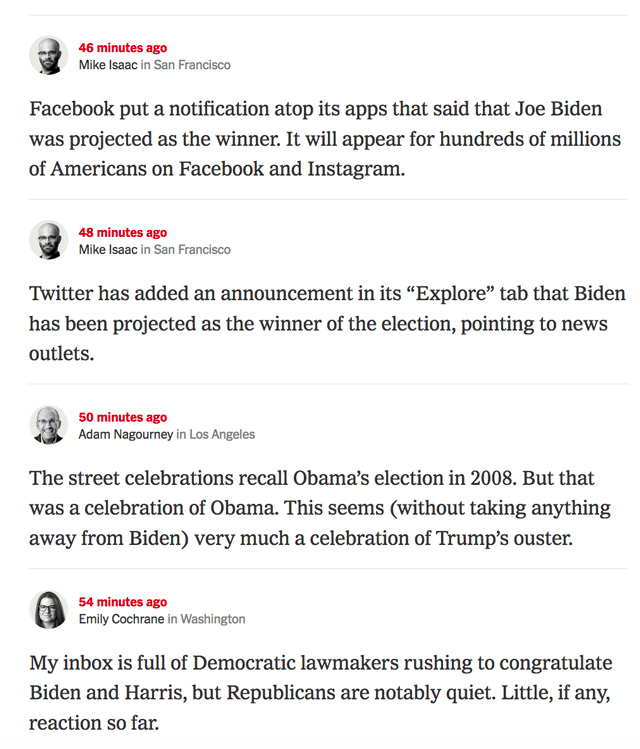
Social media platforms shared Joe Biden’s win to their millions of users, despite the fact that Trump has yet to concede.
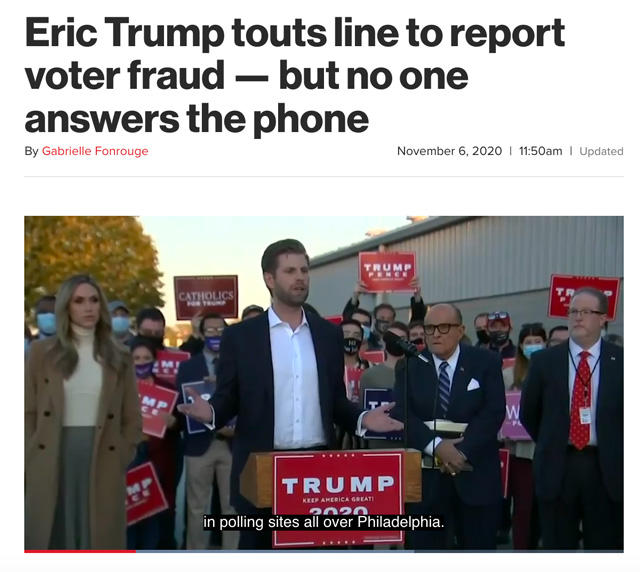
NY POST & FOX NEWS

Oddly enough, even the NY Post, not known for negative stories about the president, covered some of the follies of the Trump family and close aides, while Fox News accurately called the election results.

Donald Trump Jr. calls for ‘total war’ in clueless tweet

NYPost: Donald Trump Jr. on Thursday fired off a tweet calling for his dad to wage “total war over the election” — while parroting the same allegations of voter fraud that his father has used to explain away his dwindling hopes of staying in the White House. Twitter quickly hid the message from view for spreading false information about the election.
The NY Post also reported on inflammatory texts sent to voters in Pennsylvania.
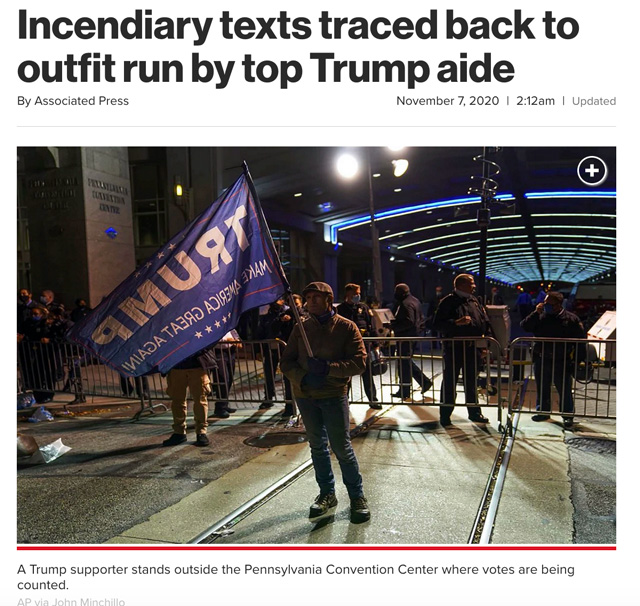
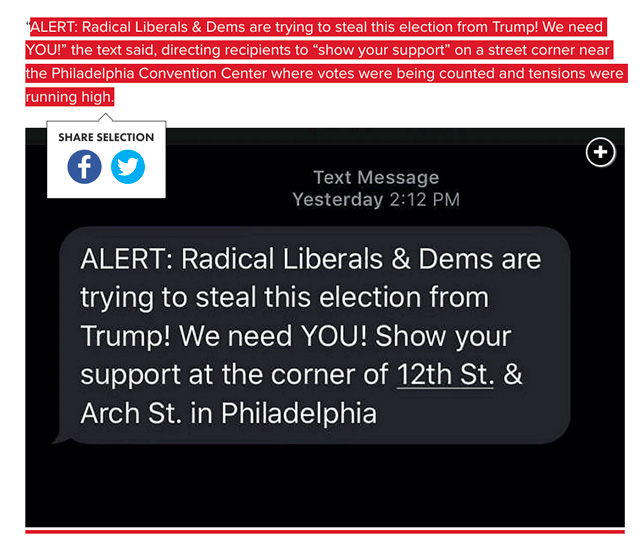
And the NY Post called out President Trump’s lies about winning the election.
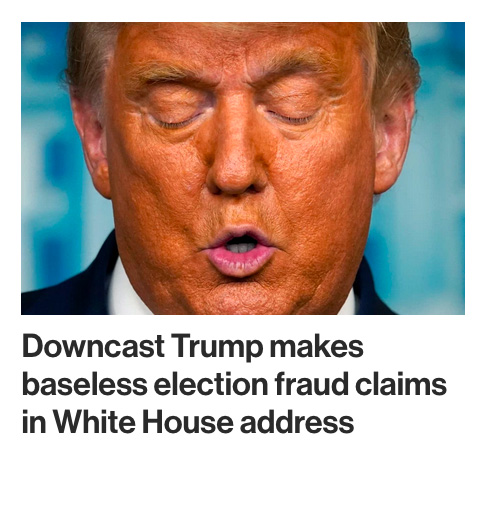
Trump supporters lashed out at Fox News when it called certain states, like Arizona, for Joe Biden, and again when the network said he had won the election.

A

THE LATINO VOTE

How Democrats Missed Trump’s Appeal to Latino Voters

The election was a referendum on Trump’s America, but plenty of Latino voters liked it just fine.

NYTimes: Mr. Biden is now the president-elect, and as he vows to work “as hard for those who didn’t vote for me as those who did,” as he said in his victory speech on Saturday, he must grapple with the fact that Mr. Trump actually improved his showing among Latino voters, from under 30 percent in 2016 to closer to one-third this year, according to exit polls and voter surveys.

Democrats lost in Florida, in part because of lackluster support among Latino voters. They did basically no better than they normally do in Texas, in part because Hispanic voters in the Rio Grande Valley moved decisively toward the G.O.P. But in Arizona, Barry Goldwater’s home state and a once-conservative stronghold where Mr. Biden has a slim lead, Democrats will claim both of the state’s Senate seats for the first time in decades, fueled by young, progressive Latino voters.


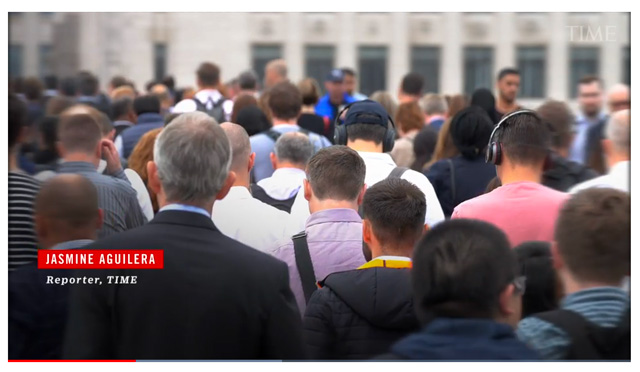
Time: Why It’s a Mistake to Simplify the ‘Latino Vote’
REACTIONS

Slightly odd choice of photos for a fundraiser.

Have a good week!

Best
Professor McKenna
Week 5: Power and Exclusion

Greetings class,

As yesterday was a holiday, I am posting this week’s lecture today. Today we are going to focus on the history of the black press. But first, this week in the news.

TRUMP’S TAXES

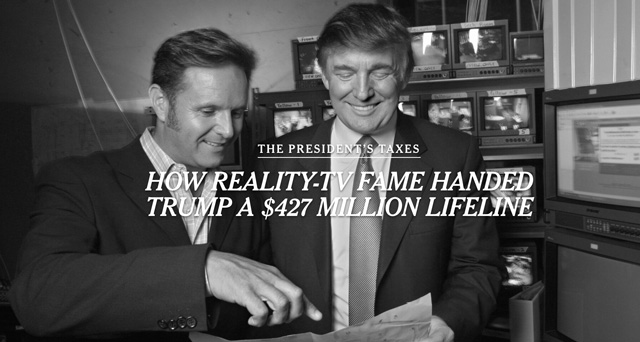
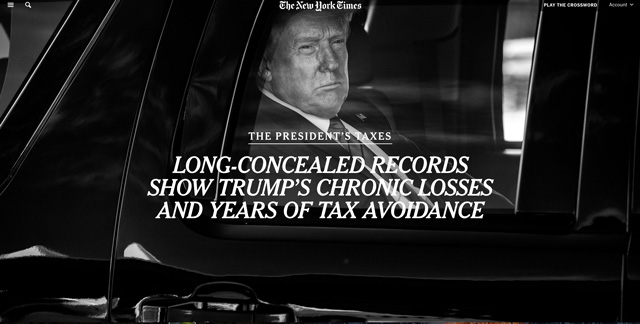
The NYTimes has posted a series of articles on President Trump’s taxes, after years of seeking to have them released.

NYTimes: Long-Concealed Records Show Trump’s Chronic Losses and Years of Tax Avoidance

Trump Taxes

The Times concludes:

– Donald J. Trump paid $750 in federal income taxes the year he won the presidency. In his first year in the White House, he paid another $750.

-He had paid no income taxes at all in 10 of the previous 15 years — largely because he reported losing much more money than he made.

– Ultimately, Mr. Trump has been more successful playing a business mogul than being one in real life.

– The red ink spilled from everywhere, even as American television audiences saw him as a savvy business mogul with the Midas touch.

– Mr. Trump’s genius, it turned out, wasn’t running a company. It was making himself famous — Trump-scale famous — and monetizing that fame.

— NYTimes

Anonymous Source

The Times also explains it got the information from an anonymous source which it won’t reveal and also details why it believes the American people have the right to know this .

“We are not making the records themselves public because we do not want to jeopardize our sources, who have taken enormous personal risks to help inform the public.

As a candidate and as president, Mr. Trump has said he wanted to make his tax returns public, but he has never done so. In fact, he has fought relentlessly to hide them from public view and has falsely asserted that he could not release them because he was being audited by the Internal Revenue Service. More recently, Mr. Trump and the Justice Department have fought subpoenas from congressional and New York State investigators seeking his taxes and other financial records.

Our latest findings build on our previous reporting about the president’s finances. The records show a significant gap between what Mr. Trump has said to the public and what he has disclosed to federal tax authorities over many years. They also underscore why citizens would want to know about their president’s finances: Mr. Trump’s businesses appear to have benefited from his position, and his far-flung holdings have created potential conflicts between his own financial interests and the nation’s diplomatic interests.”

— NYTimes

Stressed Election

The Times also produced a revealing story “Why Voting in This U.S. Election Will Not Be Equal”

It is the first episode in a four-part series, and focuses on voter suppression in Georgia, where a growing Black and Latino population may face extra hurdles on election day. It is an eye-opening piece which shows some of the specific techniques used to suppress voting by specific populations. Please watch. It is fairly short (15 minutes.)

To Plead Our Own Cause

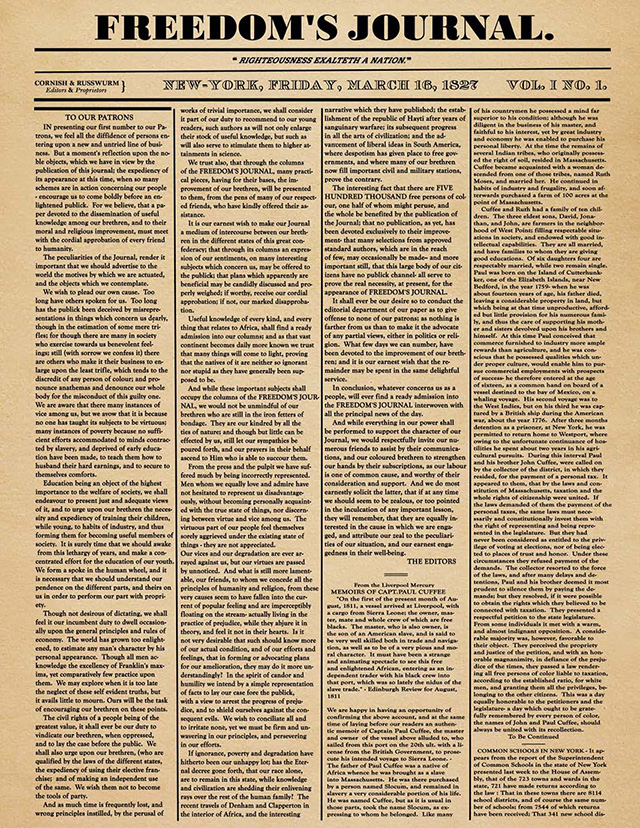
The first African-American owned and operated newspaper in the U.S.

This week’s reading focuses on the history of the black press and why it is so essential that the news be covered from all perspectives if it is to be an accurate reflection of  reality.

A few highlights:

– Freedom’s Journal was the first black-owned newspaper in America, the beginning of a new opposition press for the nation. It spawned an independent communications network among black freedmen.

– The founders say in the first issue, “From the press and the pulpit we have suffered much by being incorrectly represented.”

– They also spoke out about what they saw as an effort of other newspapers to “excite hostile feelings, between the lower classes of the white population, and the people of colour.”

– Freedom’s Journal provided the first public forum for blacks to debate among themselves strategies for their own liberation.

– The Colored American was an uncompromising advocate for the citizenship rights of black New Yorkers. The paper sharply criticized the lack of standards in the mainstream press. It also criticized what it viewed as an obsession with revenues.

– A second generation of black editors and publishers began to emerge in the North in the 1840s. The submissive manner of the first generation of middle class journalists changed with the second, a group that included Frederick Douglass, Henry Highland Garnet, Martin Delany and David Ruggles. Some were one-time slaves and were largely self-educated. They harbored no illusions about the hostility they faced from white America.

– These black editors sought to organize and to give voice to a two-pronged freedom struggle; against slavery in the South and for full citizenship in the North.

– A series of black conventions that occurred before the Civil War were historic gatherings where black leaders openly debated the most effective methods and tactics to achieve their freedom in America. Black editors publicized those gatherings in their papers, they participated actively in the debates among the delegates, and they reprinted the key speeches and resolutions.

– Those early black editors and the national convention movement they helped initiate shaped the seminal differences in outlook and strategy that still exist in African-American society — between assimilation and separation, between moral reform and militant rebellion, between arousing the masses of oppressed blacks to achieve full equality or depending on the talent and economic progress of the middle class to lift the entire population into citizenship.

– Frederick Douglass, who would eventually edit six different newspapers, towered over all of his colleagues in both the power of his writing and the influence of his publications.  Douglass was an outspoken advocate of women’s rights. He attended the July 1848 Seneca Falls convention that launched the modern feminist movement and signed its declaration.

– Douglass condemned the US war against Mexico as an act of aggression and boldly asserted the conflict was fueled by racial prejudice toward the Mexican people. As the most influential black editor of the nineteenth century, Douglass made opposition to empire an acceptable view among black journalists.

BLACK JOURNAL 1968-1977

In an August issue of the New Yorker, Doreen St. Félix wrote For Us, By US, about rewatching “Black Journal,” a news magazine television show five decades after it aired.

New Yorker:

In July 59 episodes of the public-affairs magazine show “Black Journal” became available to stream, for the first time, as part of the American Archive of Public Broadcasting. “Black Journal” was a news program “about Blacks and for Blacks” — one that abandoned the euphemistic notion of the “Black community,” restoring to the people a sense of their variety. The virtue we call soul — “Black Journal” embodied it.

Originally a monthly, hour-long show, “Black Journal” was part of a small explosion of Black radio and television that emerged at the end of the sixties, partly in response to the recommendations of the Kerner Commission, a 1967 investigation, launched by Lyndon Johnson and led by the governor of Illinois, Otto Kerner, Jr., into the causes of the race riots. “What white Americans have never fully understood but what the Negro can never forget—is that white society is deeply implicated in the ghetto,” the report’s introduction read.

The Kerner Commission denounced police brutality and voter suppression—and the media, for reporting “from
the standpoint of a white man’s world.” Black media-makers put technology in the service of furthering the good word of Black liberation politics. The titles of the new shows that sprang up around the country conveyed an ethos of frank talk: “Say Brother,” “Like It Is,” “Positively Black.”

In the première of “Black Journal,” the presenter Lou House delivers a short monologue on the history of the Black free press. But the episode is decidedly of its time, which was, like ours, one of transformation, violent and hopeful by turns. It opens with footage of Coretta Scott King as she addresses the Harvard class of ’68, a new widow urging young people to protect their future. The Ebony journalist Ponchitta Pierce, acting as correspondent, invokes the decade’s dilemma: “Will their search be for middle-class detachment or insightful involvement?”

— New Yorker

Please watch some of the program. I realize it is fairly long. You can jump around if you want but I recommend you try and watch at least a short bit of most segments to get a sense of program’s variety. Note: The last segment is a very derogatory satire. The language and dialogue is offensive and racist. I believe that is part of the producers’ point. However, you can skip it if you’d rather not watch.

ASSIGNMENT

Read: News for All the People, Chapter 7 – To Plead Our Own Cause (PDF in the Week to Week folder.)

Read: CJR: We Wish to Plead Our Own Cause

Discussion Board: After reading the CJR piece, in 250 words, explain what the example of Clarksville showed about the limits of some civil rights legislation in the town and the ability of the white press to cover the story.

Week 4: Disinformation, Fake News

Greetings class,

This week we will be focusing on disinformation and fake news, as opposed to our first three weeks where they were just a sidebar to our primary content.

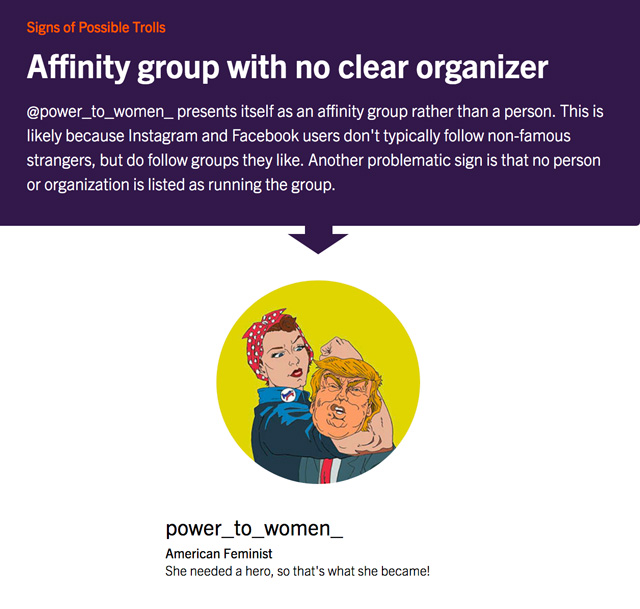
SPOT THE TROLL

To get in the proper mind frame to explore this problem, please take the Spot the Troll quiz. It will show you 8 profiles, including a brief selection of posts. You decide if each is an authentic account or a professional troll.

THE SCOPE OF THE PROBLEM

Were you able to spot the trolls? As the election draws near, the intensity and volume of fake news is increasing, particularly on social media.

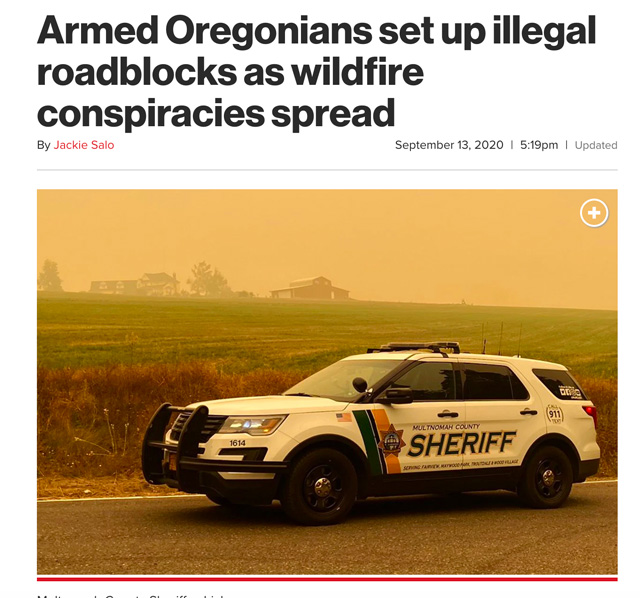
NBC: As wildfires were burning across Oregon and California this week, conspiracy theories about how the fires started were moving nearly as rapidly on Facebook. Posts falsely blaming members of antifa or Black Lives Matter spread across the platform nearly unchecked, causing calls about “antifa arsonists” to clog emergency phone lines. Local and national law enforcement had to spend precious time and resources rebutting the false claims, instead of rescuing residents and aiding in evacuations.

Facebook said last Saturday that it was banning fire-related conspiracy talk from the platform. But, according to research by the German Marshall Fund of the United States, the misinformation continued to circulate for days afterward, eluding whatever mechanisms Facebook had put in place to end it.

NBCNews

NYTimes tracking misinformation

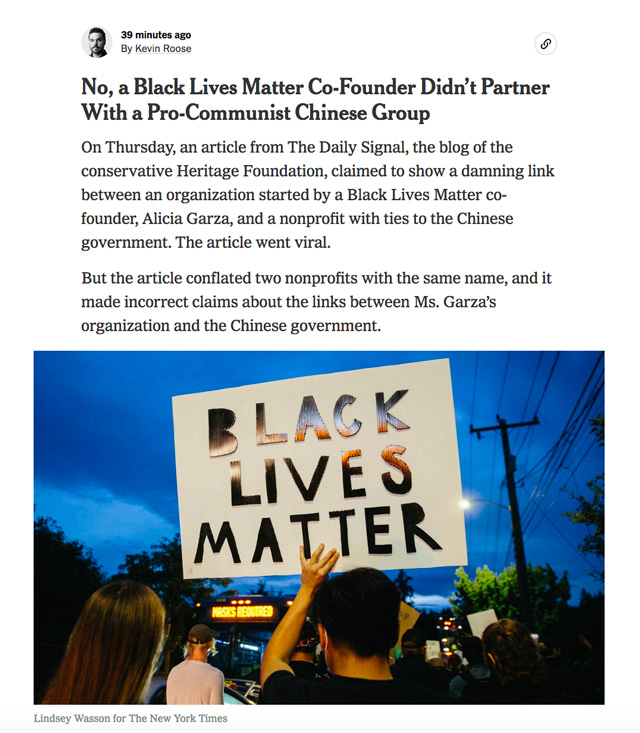
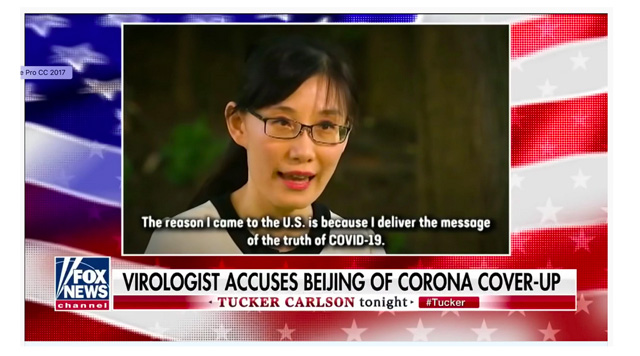
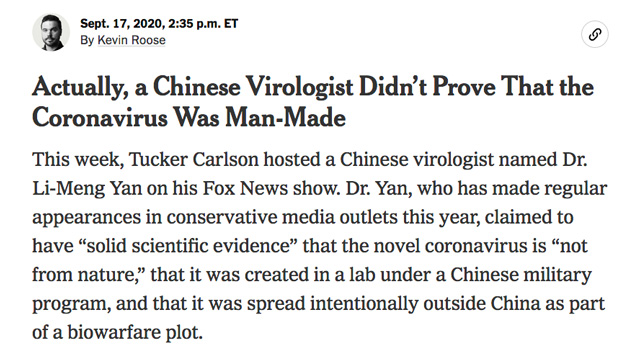
The New York Times has a new feature, “Tracking Viral Misinformation Ahead of the 2020 Election.” Every day, Times reporters will chronicle and debunk false and misleading information that is going viral online. A few examples:


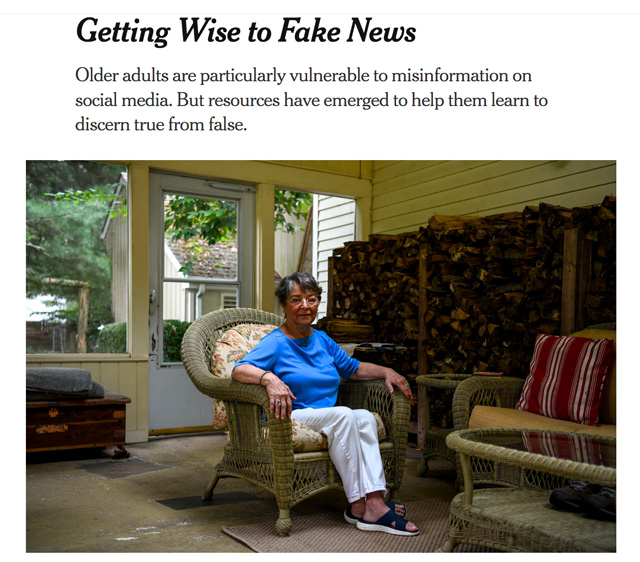
The NYTimes also reported that older Americans were being targeted. MediaWise for Seniors, a project of the Poynter Institute, has offered free online courses to help older Americans detect and combat online misinformation.


FOCUS ON LATINOS

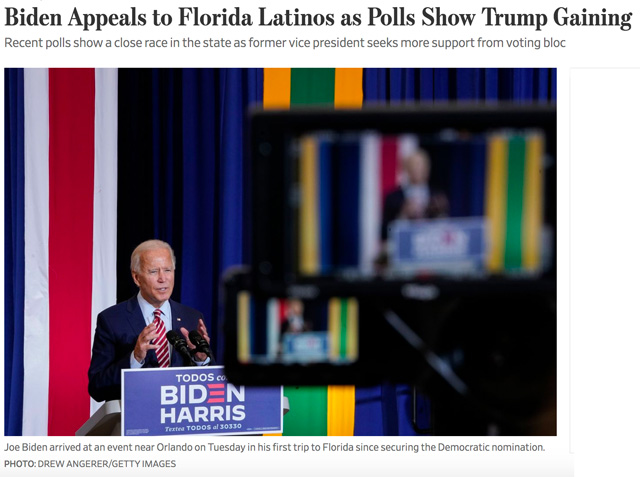
This week, a number of stories homed in on the election campaigns focusing on winning over Latinos.

WSJ: An NBC News/Marist poll showed Mr. Trump with a narrow edge over Mr. Biden among Latino voters in Florida, earning 50% of their support compared with 46% for Mr. Biden.

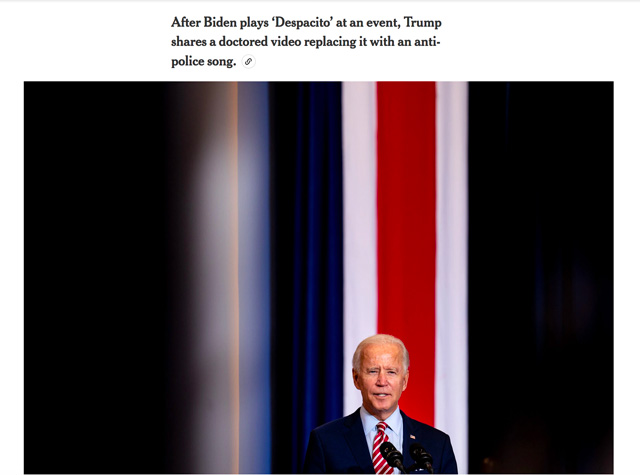
At a campaign event in Joseph R. Biden Jr. played a few bars of “Despacito” from his phone after being introduced by its singer, Luis Fonsi. The next day, President Trump shared a manipulated video of the moment with N.W.A.’s anti-police anthem “____ tha Police” dubbed in.

Trevor Noah covers the events on the Daily Show and warns about the importance of context. (Watch to 2:22)

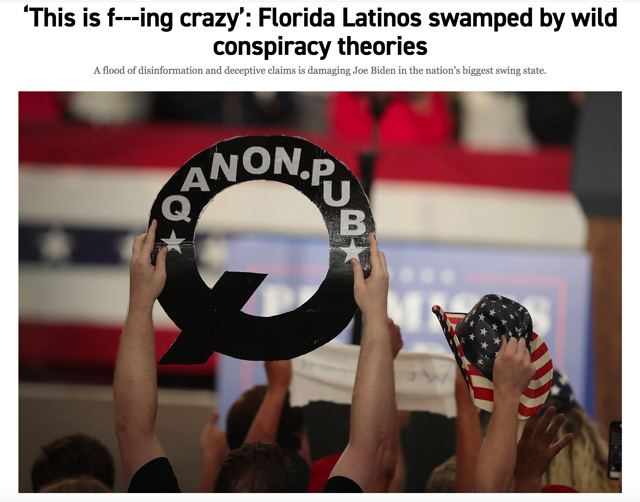
Politico reported “a flood of disinformation and deceptive claims is damaging Joe Biden in the nation’s biggest swing state.”

POLITICO — George Soros directs a “deep state” global conspiracy network. A Joe Biden win would put America in control of “Jews and Blacks.” The Democratic nominee has a pedophilia problem. Wild disinformation like this is inundating Spanish-speaking residents of South Florida ahead of Election Day, clogging their WhatsApp chats, Facebook feeds and even radio airwaves at a saturation level that threatens to shape the outcome in the nation’s biggest and most closely contested swing state.

But on social media platforms, it’s a different story. Although many older adults use those platforms quite adeptly, Dr. Brashier said, “there seems to be something specific about scrolling through Facebook or Twitter” that makes them more vulnerable to misinformation

In South Florida, veteran Latino Democratic strategist Evelyn Pérez-Verdia noticed this summer that the WhatsApp groups dedicated to updates on the pandemic and news for the Colombian and Venezuelan communities became intermittently interspersed with conspiracy theories from videos of far-right commentators or news clips from new Spanish-language sites, like Noticias 24 and PanAm Post, and the YouTube-based Informativo G24 website.

“I’ve never seen this level of disinformation, conspiracy theories and lies,” Pérez-Verdia, who is of Colombian descent, said. “It looks as if it has to be coordinated.”

— Politico

MIS/DISINFORMATION ECOSYSTEM

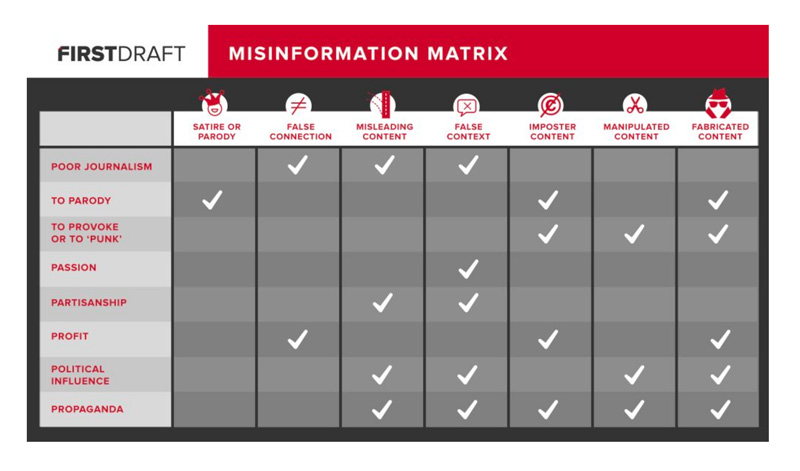
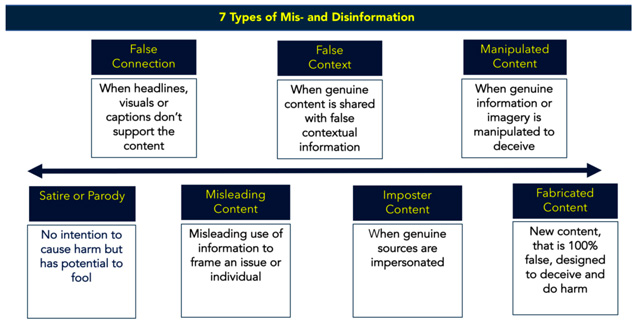
There is clearly a wide range of types of mis/disinformation: stories promoted as news, which are actually misleading, rumors, hoaxes, clickbait, conspiracy theories and/or propaganda. First Draft is an organization with a mission to protect communities from harmful misinformation.

The group has developed a lot of materials to help understand mis/disinformation ecosystem:

First Draft:

By now we’ve all agreed the term “fake news” is unhelpful, but without an alternative, we’re left awkwardly using air quotes whenever we utter the phrase. The reason we’re struggling with a replacement is because this is about more than news, it’s about the entire information ecosystem. And the term fake doesn’t begin to describe the complexity of the different types of misinformation (the inadvertent sharing of false information) and disinformation (the deliberate creation and sharing of information known to be false).”

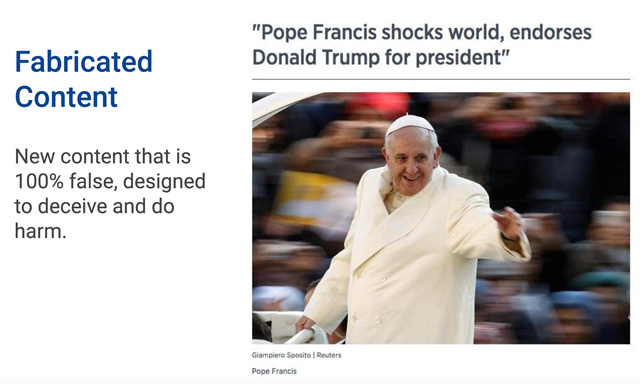
FABRICATED CONTENT

Pope Francis gave his opinion of the phenomena in very blunt terms:

“Disinformation is probably the greatest damage that the media can do, as opinion is guided in one direction, neglecting the other part of the truth. I believe the media have to be very clear, very transparent, and not fall into – no offense intended – the sickness of coprophilia, that is, always wanting to cover scandals, covering nasty things, even if they are true.” — Belgian Catholic weekly Tertio

[noun: coprophilia 1) abnormal interest and pleasure in feces and defecation.]

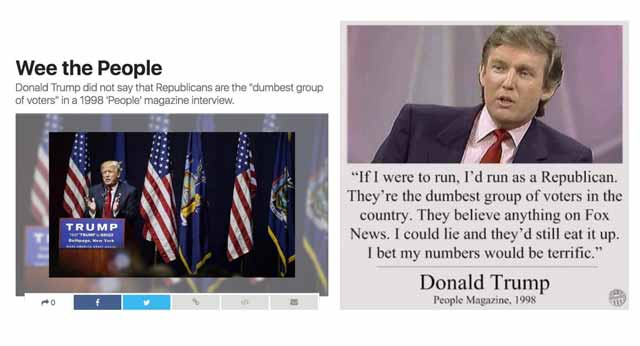
While the below quote was attributed to Donald Trump, there is no evidence he said it.

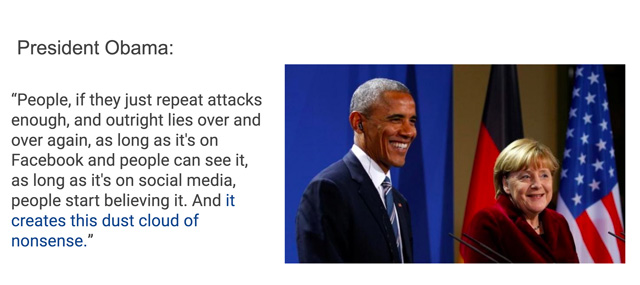
In a November 17, 2016, press conference with German chancellor Angela Merkel, President Obama addressed fake news on Facebook.

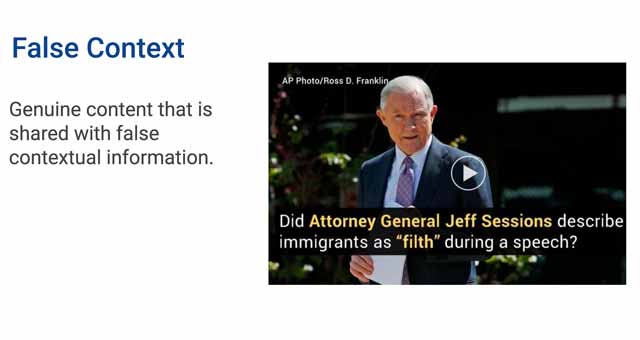
FALSE CONTEXT
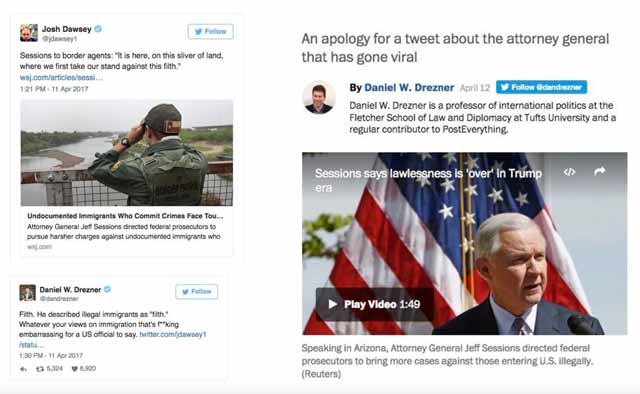
You are probably all familiar with the phrase “to take something out of context.” In the below example, prepared remarks made by then Attorney General Jeff Sessions in Arizona were misinterpreted online. A Washington Post contributor Daniel W. Drezner reported that Sessions had smeared immigrants, when in fact, the prepared remarks were aimed at “transnational gangs and international cartels.”

Sessions: “We mean international criminal organizations that turn cities and suburbs into warzones, that rape and kill innocent citizens. It is here, on this sliver of land, where we first take our stand against this filth.”

However, the report went viral and many were outraged, this despite the fact that when Sessions actually gave the speech, he said “It is here, on this sliver of land, where we first take our stand.”


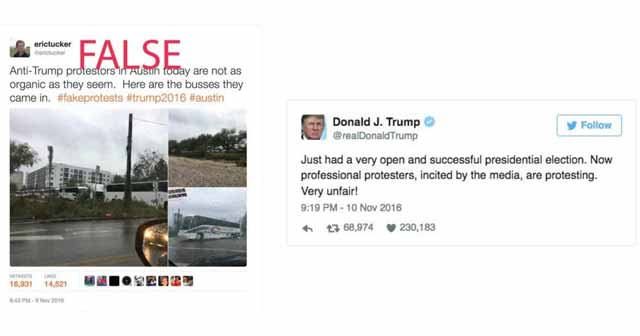
In the below post, a Trump supporter claims that “professionals” were bused in to protest the president in Austin and Chicago. On 10 November 2016, several disreputable web sites such as The Gateway Pundit published articles reporting that paid anti-Trump protesters were shipped into Austin to stage a “fake protest” against Donald Trump. The sole “evidence” for were three photographs posted to Twitter by user Eric Tucker:

In fact there was a Tableau (software) conference in Austin.

Snopes.com: Baseless rumors that George Soros, or some high-ranking member of the Democratic party, paid protesters to attend Trump events were circulated throughout the 2016 presidential campaign. As in this case, these rumors typically stem from morsels of truth but offer no actual evidence to support their underlying conspiracy theories.

MANIPULATED CONTENT


National Review
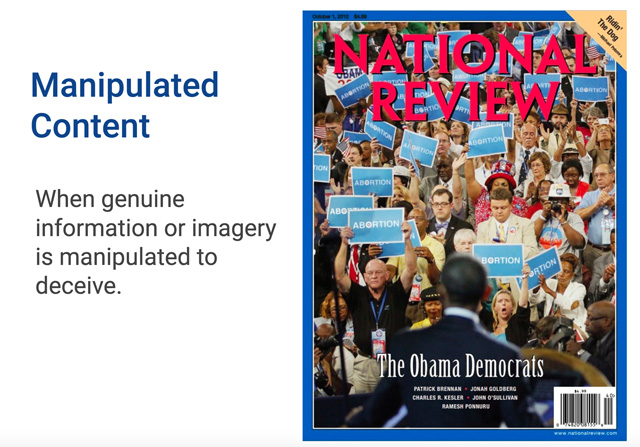
’s October 1, 2012 cover features an image shot from behind Barack Obama as he delivers a speech at the Democratic National Convention in early September, 2012. The cheering crowd before him waves blue signs saying “ABORTION.”

In the original photo, the signs read, “FORWARD.” National Review, a conservative news magazine, changed each sign to read, “ABORTION.” It credited the photographer and Reuters news agency, but failed to indicate the photo was altered.

National Review publisher Jack Fowler responded to the issue, acknowledging that the image “in both the print and various digital editions, was altered by National Review. It is not the original photograph as provided by Reuters/Newscom, and therefore should not have been attributed to this organization, nor attributed to the photographer.” — Bronx Documentary Center exhibit “Altered Images

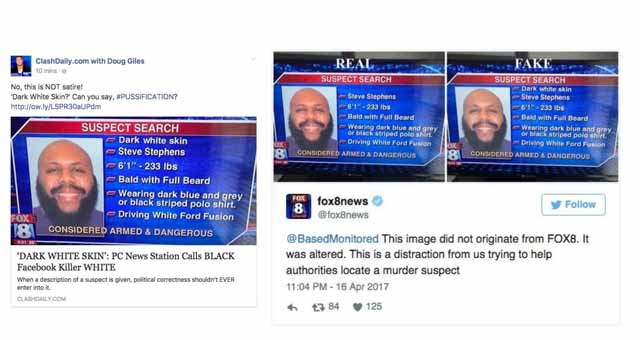
In the below tweet, the author took a genuine post from fox8news and added “Dark white skin” at the top.


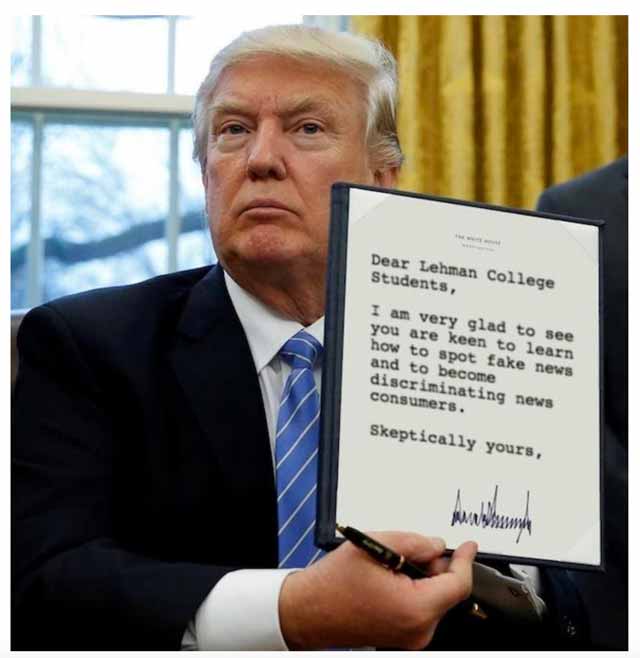
An online app allowed users to create their own presidential letters:

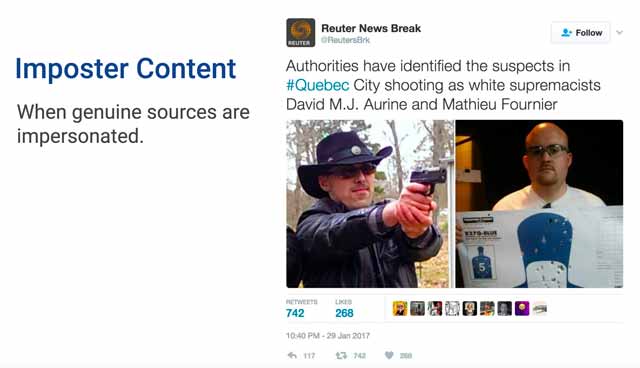
IMPOSTER CONTENT

In this example, the user created an account “Reuter” that was very similar to an actual news source “Reuters.”

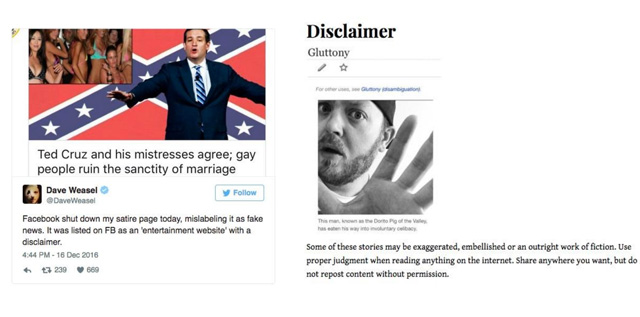
Sometimes a disclaimer is too subtle for readers who rush to share things that are clearly fake.

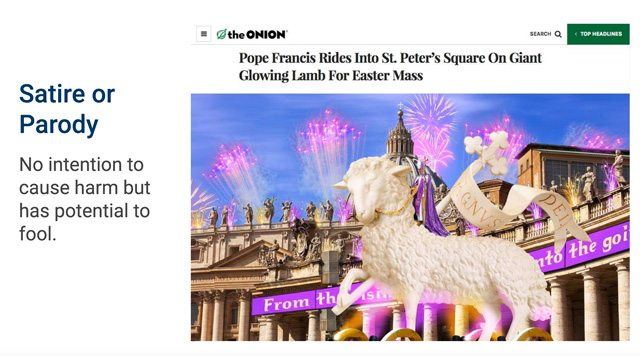
SATIRE OR PARODY

One of the best known examples of this is the Onion.  Satire is usually meant to entertain, not inform.

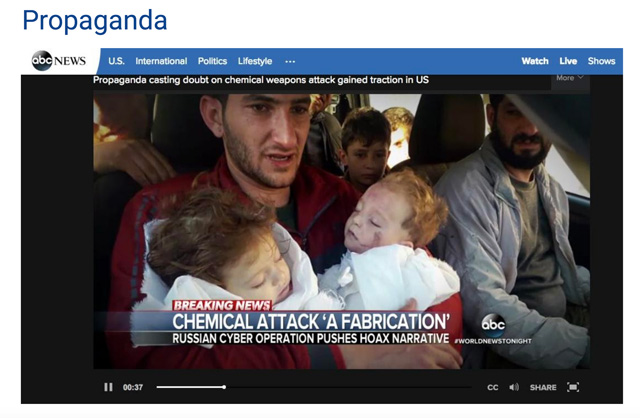
PROPAGANDA

Information, especially of a biased or misleading nature, used to promote or publicize a particular political cause or point of view. Often this refers to mis/disinformation at a governmental level.

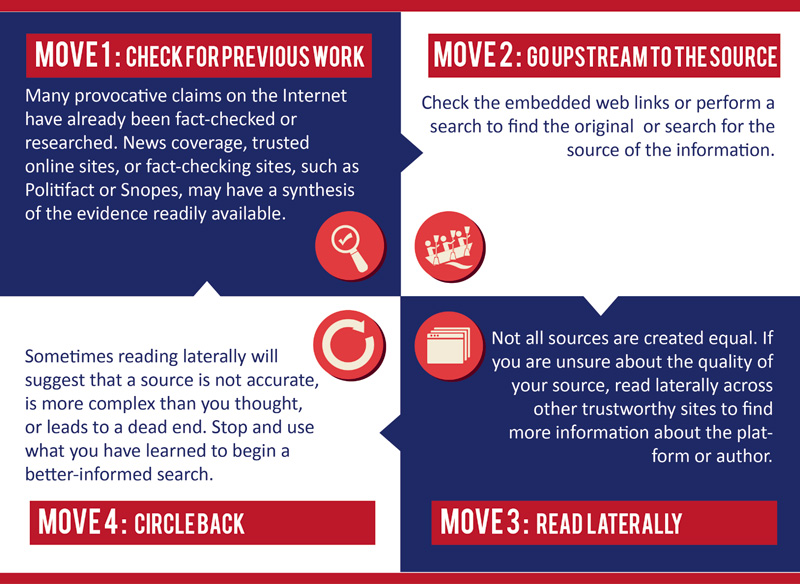
VERIFICATION

So how can we avoid getting bamboozled or outraged by fake news?

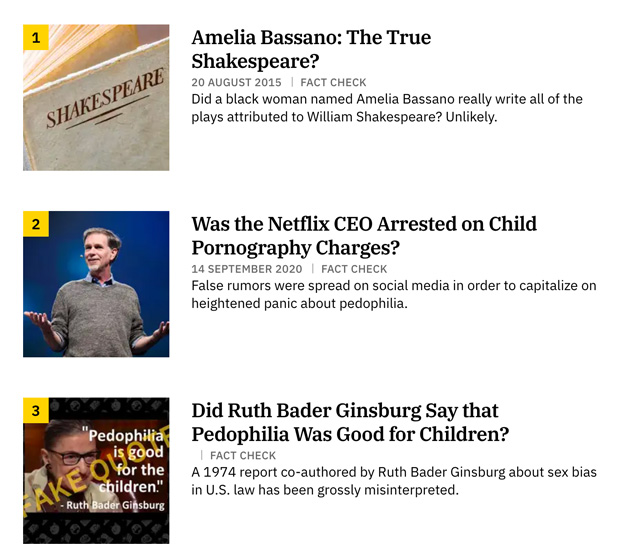
Snopes.com is one site that is dedicated to fact-checking such stories and a good place to go if you are wondering about the veracity of a story.

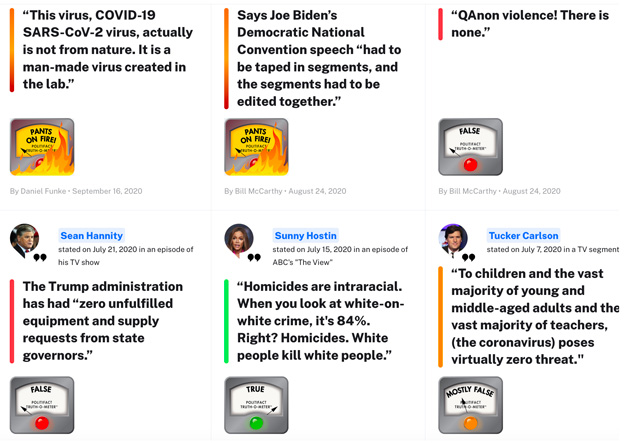
Politifact and Punditfact focus on factchecking these two groups.

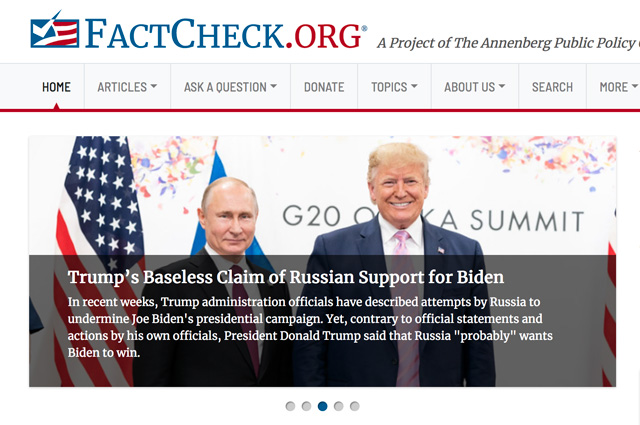
FactCheck.org is another source from the Annerberg Public Policy Center.

ASSIGNMENT

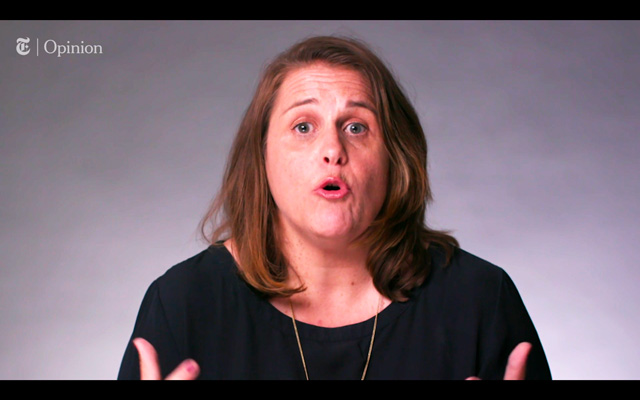
Watch: Deepfakes: Is This Video Even Real? | NYT Opinion (3:38)
Claire Wardle responds to growing alarm around “deepfakes” — seemingly realistic videos generated by artificial intelligence.

Watch: Last Week Tonight: OAN (18:05)

Read: Atlantic: The Billion-Dollar Disinformation Campaign to Reelect the President

Discussion Board: Visit one of the fact-checking sites below. Select one example and in a 250-word essay, explain what the story was, the techniques the organization used to investigate its veracity and the sources it uses.

Fact-check.org
PolitiFact
Snopes

Week 3: Journalism and Truth

CONCEALING THE TRUTH

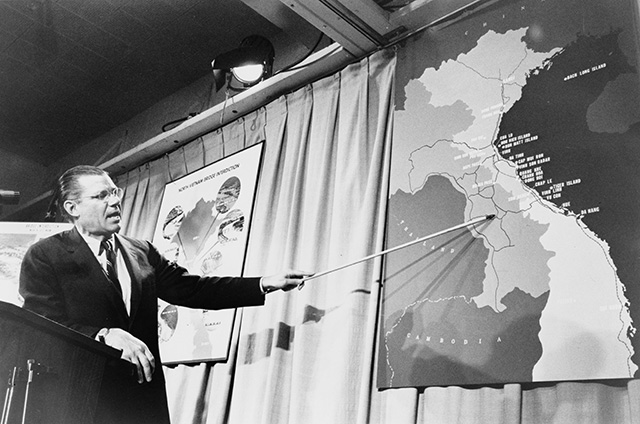
In Chapter 2 of Elements of Journalism, “Truth: the Most Confusing Principle,” the authors begin with a story of how Secretary of Defense Robert McNamara misled reporters about the dire state of the conflict in Vietnam. At the same time he was telling the press he was optimistic about progress, McNamara reported to President Lyndon Johnson, “The situation is very disturbing.”

In some ways, that story is similar to one that broke this week:

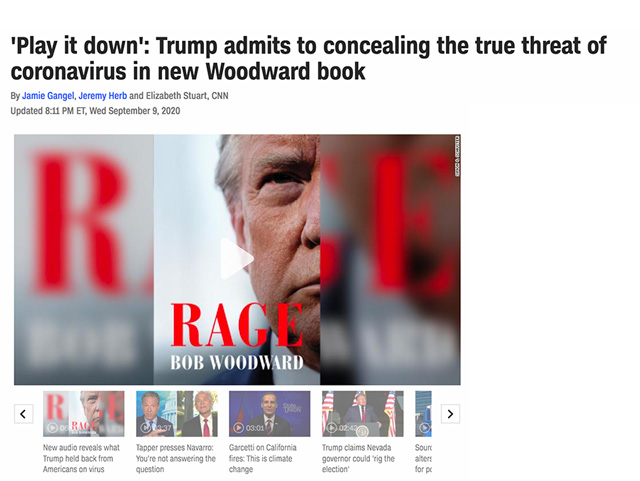
‘Play it down’: Trump admits to concealing the true threat of coronavirus in new Woodward book

CNN: President Donald Trump admitted he knew weeks before the first confirmed US coronavirus death that the virus was dangerous, airborne, highly contagious and “more deadly than even your strenuous flus,” and that he repeatedly played it down publicly, according to legendary journalist Bob Woodward in his new book “Rage.”

“This is deadly stuff,” Trump told Woodward on February 7.

(Scroll down this article if you want to hear Trump’s audio clips.)

LIES OR RESPONSIBLE LEADERSHIP STRATEGY?

In this CBS interview, 60 Minutes correspondent John Dickerson provides an excellent analysis of why Trump’s rationale — that he was preventing panic by downplaying the seriousness of COVID-19 — is in fact more like dereliction of duty.

Dickerson:

– If you read any of the manuals for leaders in a public health crisis, they say the most important thing is to be truthful to people.


– In this case if you are not truthful to people, you send them out into the world and they make the situation worse. They spread it.


- The president is mischaracterizing how he handled the virus in its early period. He was saying that talk of the virus and its virulence was a Democratic plot and something that the media was raising. 

If you don’t tell the truth at the beginning, not only do the cases snowball, but then people don’t trust you when future decisions have to be made and they have to listen to you.

– When you tell them the truth, it binds people together.

— CBS News

PLAYBOOK FOR LEADERS IN CRISIS

In this NYTimes Opinion video, The Three Rules of Coronavirus Communication, the author compares how other countries responded to the crisis.

NYTimes: While the United States was creating confusion with its virus messaging, the rest of the world got creative. In this global take on the pandemic reveals these key aspects of communication in a time of misinformation.

Imagine living in a country where, six months into a pandemic, you aren’t totally confused. You know exactly where and when to get tested. Your child’s school has been clear and transparent about its reopening plan. On the whole, you trust your government to make the right decisions.

For millions around the world, this isn’t a fantasy — it’s their reality. While Americans are still fighting over masks, New Zealand, Vietnam and Rwanda, to name a few, used clear and consistent public health messaging to build trust. This made it possible to stem their initial outbreaks and control new cases as they popped up.

Three rules of Coronavirus communication:

1. Build trust
2. Know your audience
3. Think long-term

— NYTimes

MIRROR MIRROR

Mark Zuckerberg said this week that Facebook does not try to enrage but rather to engage and that the platform offers an alternative media for some who never saw themselves reflected in traditional media.

Shira Ovide in the NY Times argues that Facebook does not, in fact, reflect reality, as Zuckerberg suggests.

NYTimes: Mark Zuckerberg is the world’s most powerful unelected person, and it drives me bonkers when he misrepresents what’s happening on Facebook. In an interview that aired on Tuesday, Zuckerberg was asked big and thorny questions about his company: Why are people sometimes cruel to one another on Facebook, and why do inflammatory, partisan posts get so much attention?

Zuckerberg told “Axios on HBO” that Americans are angry and divided right now, and that’s why they act that way on Facebook, too. Zuckerberg and other Facebook executives consistently say that Facebook is a mirror on society. An online gathering that gives a personal printing press to billions of people will inevitably have all the good and the bad of those people.

It’s true but also comically incomplete to say that Facebook reflects reality. Instead, Facebook presents reality filtered through its own prism, and this affects what people think and do.

Facebook regularly rewrites its computer systems to meet the company’s goals; the company might make it more likely that you’ll see a friend’s baby photo than a news article about wildfires. That doesn’t mean that wildfires aren’t real, but it does mean that Facebook is creating a world where the fires are not in the forefront.

Facebook’s ability to shape, not merely reflect, people’s preferences and behavior is also how the company makes money. The company might suggest to a video game developer that tweaking its social media ads — changing the pitch language or tailoring the ad differently for Midwestern college students than for 40-somethings on the West Coast — can help it sell more app downloads.

Facebook sells billions of dollars in ads each year because what people see there, and how Facebook chooses to prioritize that information, can influence what people believe and buy.

Facebook knows it has the power to shape what we believe and how we act. That’s why it has restricted wrong information about the coronavirus, and it doesn’t allow people to bully one another online.

Further proof: An internal team of researchers at Facebook concluded that the social network made people more polarized, The Wall Street Journal reported in May. American society is deeply divided, but Facebook contributes to this, too.

So why does Zuckerberg keep saying that Facebook is a mirror of society? Maybe it’s a handy media talking point that is intentionally uncomplicated.

There are no easy fixes to make Facebook or much of the world less polarized and divided, but it’s dishonest for Zuckerberg to say his company is a bystander rather than a participant in what billions of people on its site believe and how they behave.

Zuckerberg knows — as we all do — the power that Facebook has to remake reality.

— NYTimes

ASSIGNMENTS

Read: This week’s reading is Elements of Journalism, Chapter 2 “Truth: the Most Confusing Principle.” In this chapter, the authors explain that while there is “absolute unanimity” that journalism’s first obligation is to the truth, there is also confusion about what “the truth means.”

A few highlights:

– Journalistic truth means more than just accuracy. It is a sorting out process that takes place between the initial story and the interaction among the public, newsmakers, and journalists. This first principle of journalism — its disinterested pursuit of the truth — is ultimately what sets it apart from other forms of communication.

– The truth is a complicated and sometimes contradictory phenomenon, but if it is seen as a process over time, journalism can get at it. First, by stripping information of any attached misinformation, disinformation, or self-promoting bias and then by letting the community react in the sorting out process that ensues.

– With the Internet, there emerged a new and important fourth model – a Journalism of Aggregation — in which publishers such as Yahoo News, search engines such as Google or Web communities such as Reddit — and with the rise of social media, in turn, individual citizens themselves — recommended and passed along content they had no direct role in producing and, often, made no effort to verify.

– The burden of verification has been passed incrementally from the news deliverer to the consumer.

– The best new journalism will compete in the marketplace of ideas by being more deeply reported and more transparent, by correcting the record for audiences that have been misinformed and by answering questions other accounts have left unclear.

– Truth cannot be assumed to occur automatically based on the presence of more sources.

– For the truth to prevail, journalists must make clear to whom they owe their first loyalty.

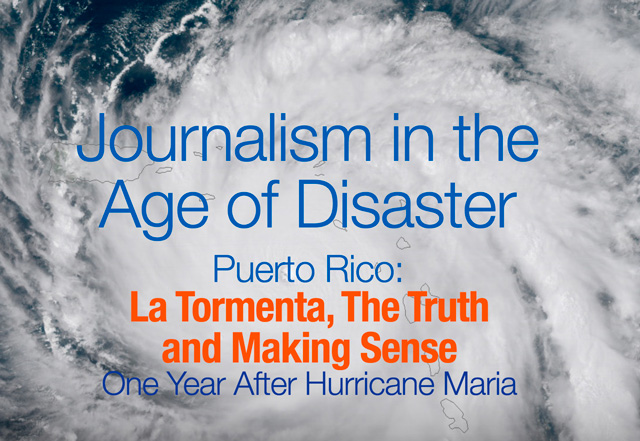
Watch: Journalism in the Age of Disaster: Truth, La Tormenta and Making Sense

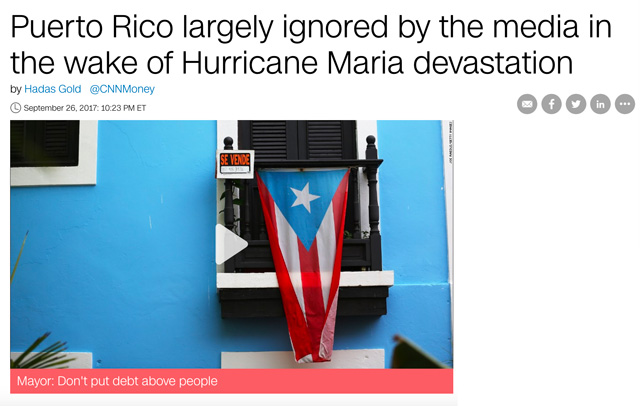
Watch (or listen to) the below conversation of Latino journalists as they assess media coverage of Puerto Rico in the year after Hurricane Maria. Think about it in light of Chapter 2: Truth the First and Most Confusing Principle.

Questions posed to the panel include: How have news organizations performed their duties as watchdog, witness and truth teller? How can we do better?

All of the journalists on the panel have covered Hurricane Maria and Puerto Rico’s struggle to recover from the devastation. They have also tried to provide the public with an accurate account of the fatalities that resulted from the hurricane.

Panelists in order of speaking:

David Gonzalez, NYTimes photographer and columnist (moderator)

Ed Morales, independent journalist, Columbia University professor

Carla Minet, editor and reporter at the Centro de Periodismo Investigativo de Puerto Rico (Center for Investigative Journalism of Puerto Rico)

Alana Casanova Burgess, producer at On the Media, WNYC

Ana Teresa Toro, columnist, El Nueva Dia

I have the video starting at around 20 minutes after introductions. The formal panel discussion lasts to about 1:06.

Make notes for yourself as you listen and then in a 250-word essay, address a few of the below questions

What made you think?

What did you learn?

How was the truth served or not served by the type of journalism that followed Hurricane Maria?

Was there a unifying critique among the journalists?

What parts of the story did they think were not being told?

Think back to Elements Chapter 1 and the idea that in the horizontal information landscape journalism has these new roles, including of making sense out of chaos. How did these journalists think that function could be achieved in Puerto Rico coverage?

What is the role for journalism in times of environmental, economic and political disaster?

How did the US TV news coverage of the post-Maria story serve or not serve to expand understanding and comprehension?

What did panelists have to say about truth and subjectivity? About context? About pre-set formulas for understanding something? About racism? About colonization?

Post your response in the Discussion Board by Sunday, 11:59 PM.

Best
Professor McKenna
multimedia tools
I. Photos


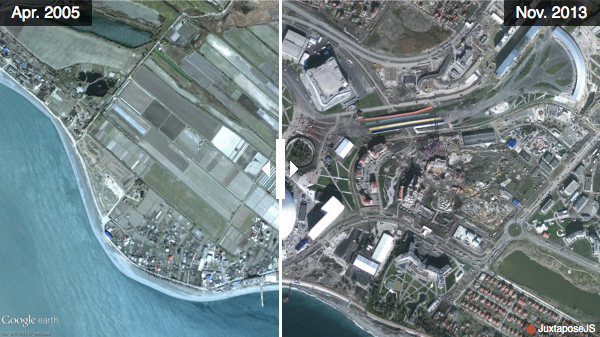
Juxtapose JS

Examples:
Satellite Photos of Japan, Before and After the Quake and Tsunami
NYT T Mag: Model Morphosis

ThingLink


Examples:
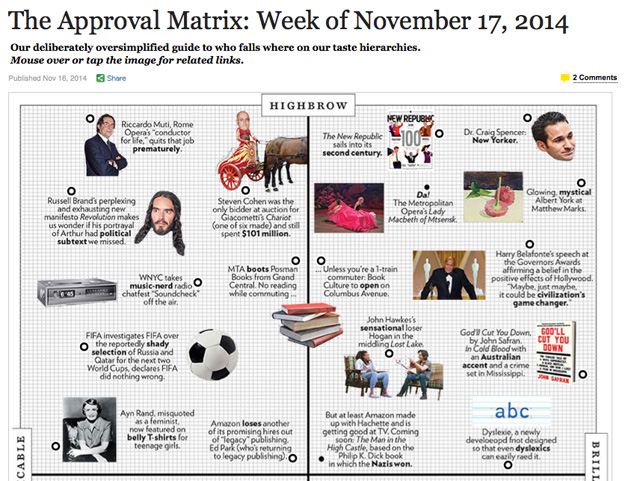
NY Magazine’s Approval Matrix
NY Magazine’s One World Trade Center

Map of the Ottawa Shooting

Back to school App pack

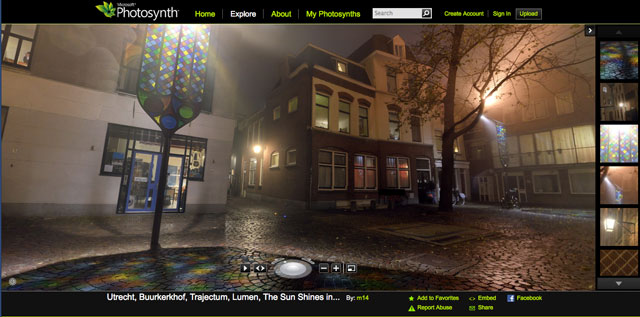
360 Panorama

This iPhone app allows you to take 360-degree shots. It costs $1.99, although there are also several free options such as Microsoft’s Photosynth.


Microsoft Photosynth

Examples:
Time Magazine: 1 World Trade Center
NYTimes: View from Haiti
NY Times: US Open
Ground Zero

Slideshows:

Built-in slideshows using editorial WP themes
NextGen gallery
Tribulant Slideshow
Flickr.com

II. Video


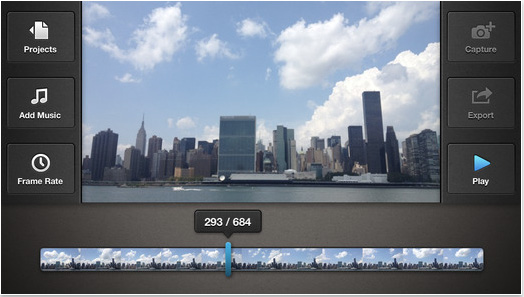
Instagram Hyperlapse

Examples:
20 Creative Hyperlapses from Instagram


Frameographer

Stop motion and timelapse ($4.99)


U-stream Broadcaster

Live video streaming app


Powtoon: Animation

This is a good tool for animated explainers


Full-screen automated video using WP themes

III. Sound

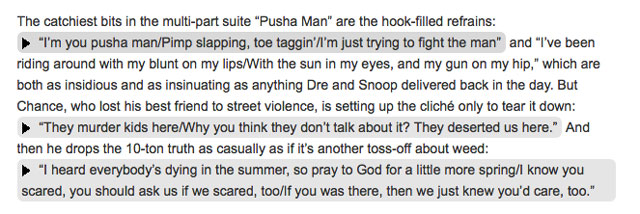
SoundCite

Tool for inserting inline audio

To use this tool, select an audio file. Next visit the SoundCite page. Paste your sound file URL in the space provided and load. Next embed the two sets of code into your WP blog.

IV. Infographics

Examples:
The DNA of a Secret Service Agent
Basquiat: From SAMO to SOHO to Stardom


Google Fusion Forms

easel.ly

infogr.am

PiktoChart

iChart.net

visual.ly

SiSense

V. Timelines


Timeline JS

VI. Maps

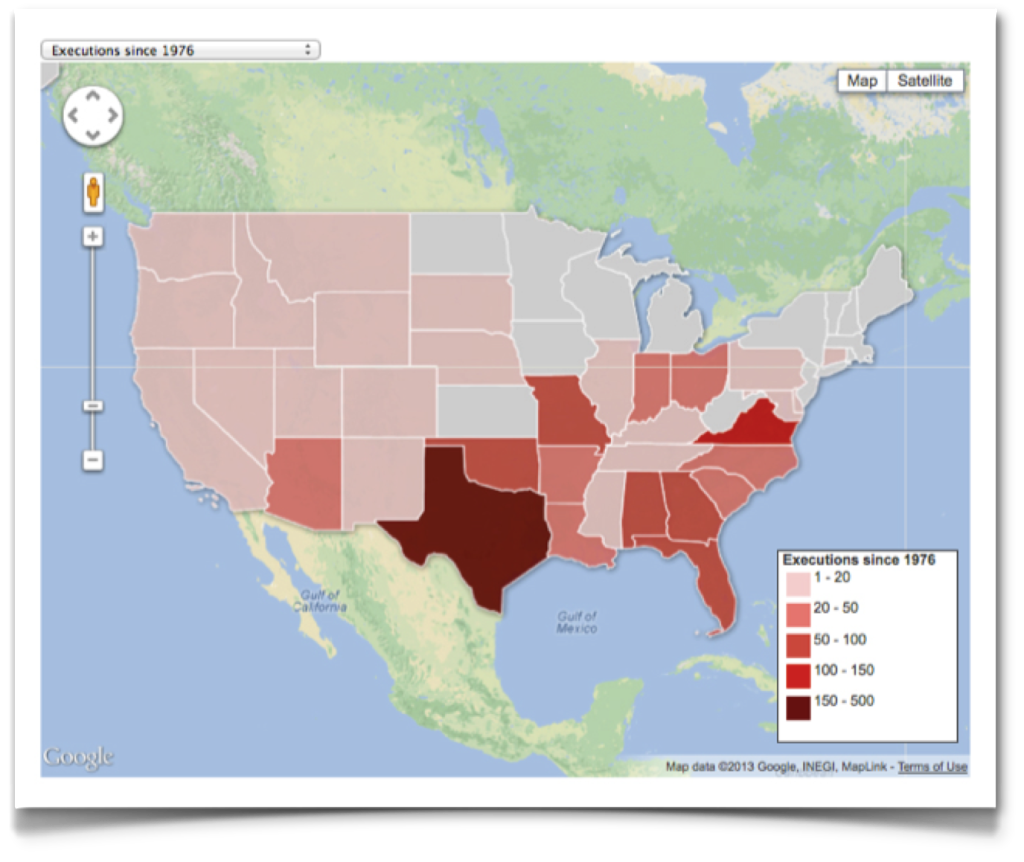
Google Fusion


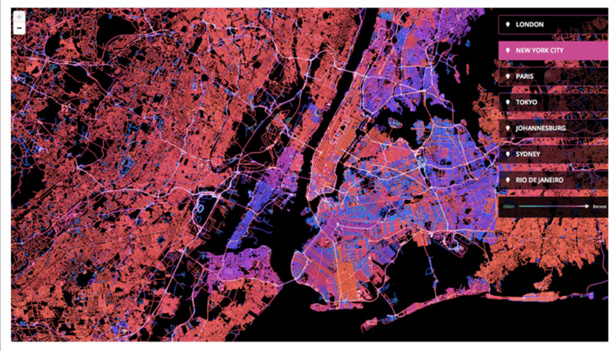
CartoDB

Create interactive maps from Excel data
NYTimes: Mapping Poverty in America


MapBox


CartoDB’s Odyssey

Example:
48 Hours of Gun Violence
Wimbledon 2014


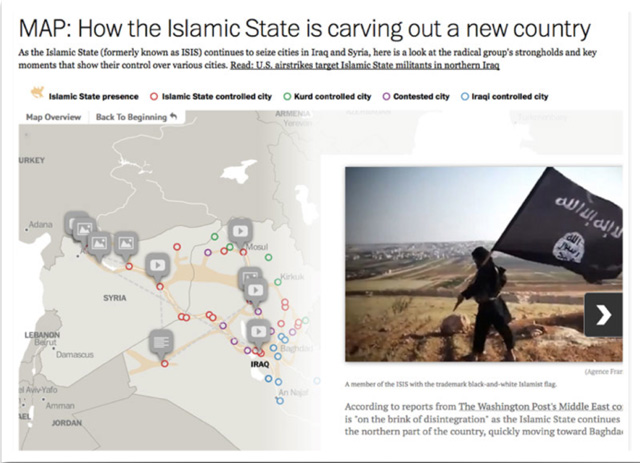
Storymaps JS

Examples:
Forgotten Homicides
World Cup


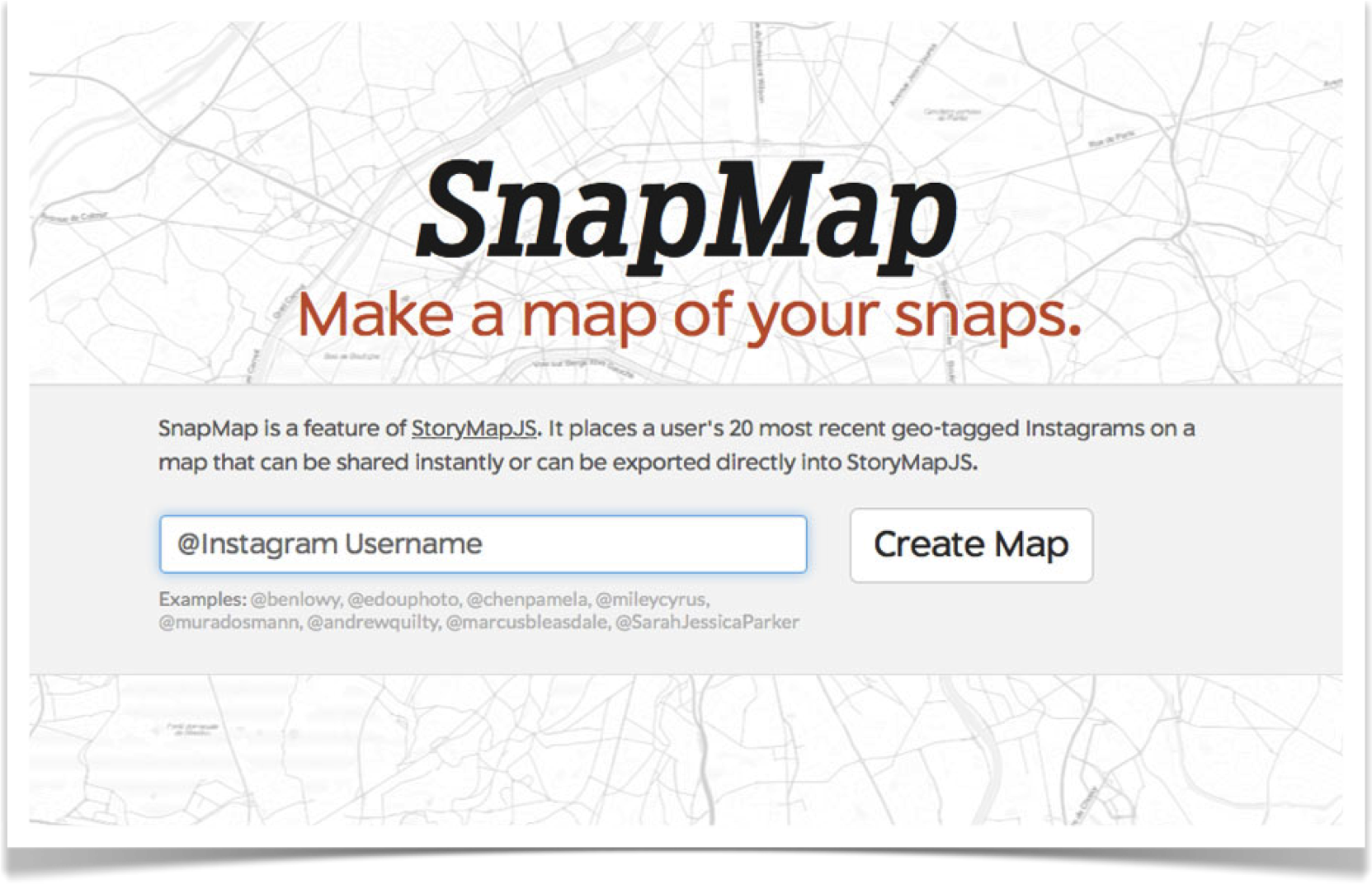
SnapMap

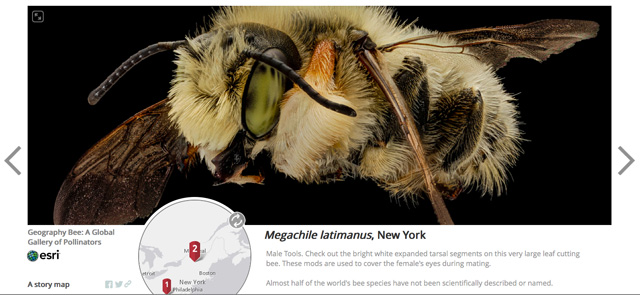
Story Map – ArcGIS

VII. Live Blogging & Social Media Aggregators

ScribbleLive


Storify

This social media aggregator is useful for covering topical issues or breaking news.

Rebel Mouse

Use this tool to aggregate all your social media feeds.

Examples:
AOL – Winter Games
MTV Halloween


VIII. Quizzes


Poll Daddy

Examples:
Charlie Sheen v Muammar Gaddafi: whose line is it anyway?
AP Social Media Guidelines

IX. Primary Documents


Document Cloud

X. Authoring Platforms


Creatavist
(Free)

Klynt (Student rate, 49 Euro)

Shorthand/Immersive ($)

Racontr (Free & $)

Zentrick – Interactive video (Free)

Klynt


Examples:

Words of Jazz

Femmes du Kivu
Raconte-moi les forêts


Multimedia Editors:

pixlr.com – photo editor

Audacity – audio editor

Reaper – audio editor