Audio Narratives
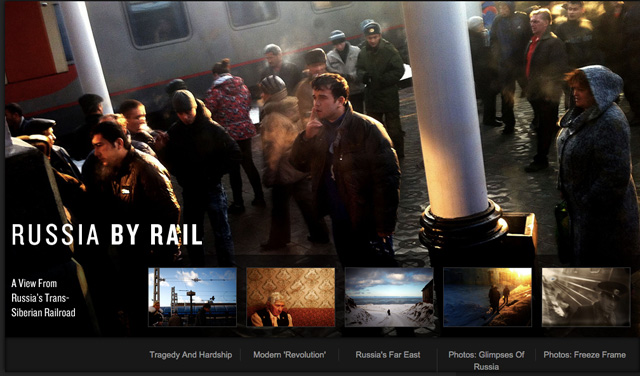
NPR Russia by Rail
I. When, why and how to use audio
There are editorial, logistical and production considerations when evaluating whether to use audio in a story. Audio may be the primary device used to convey a story, as in the case of audio slideshows or it might be used as in modular clips, such as in roundtables or Q & A interviews.
Audio functions:
To make first-person or eyewitness accounts more compelling
To develop story characters with voice, accent, and speech patterns
To set a mood or tone
To give a sense of place with natural sound or sound effects
In stories where audio is a central theme, to instruct or illustrate
Types of audio:
Interviews, voxpop
Narration
Ambient sounds
Soundtrack – music
Audio features:
Question and answer interviews, roundtables
Raw audio clips: 9-11 calls, ATC communication, police/fire scanner chatter, phone messages
Audio slideshows
Multimedia documentaries
Phone messages
II. Audio Features
Vignettes/Profiles
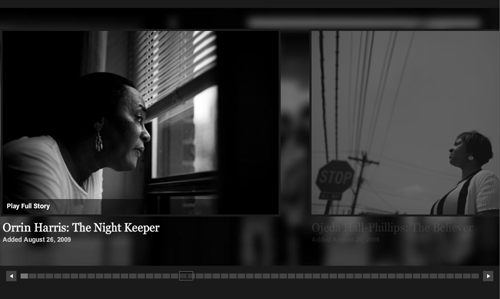
One in Eight Million is a multipart series from the NYTimes, consisting of vignettes about New Yorkers.
Roundtable, Q&A, man on the street
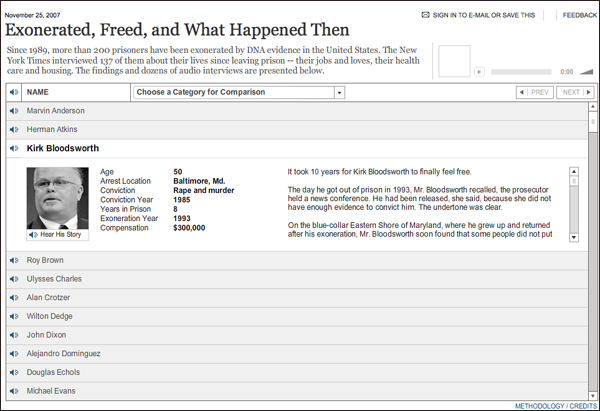
‘It Was Slipping Away From Us’
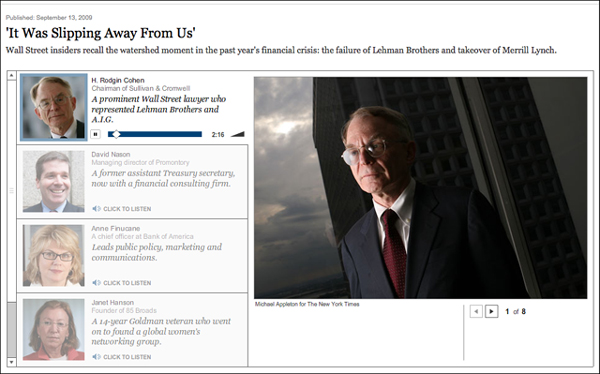

Exonerated, Freed, and What Happened Then
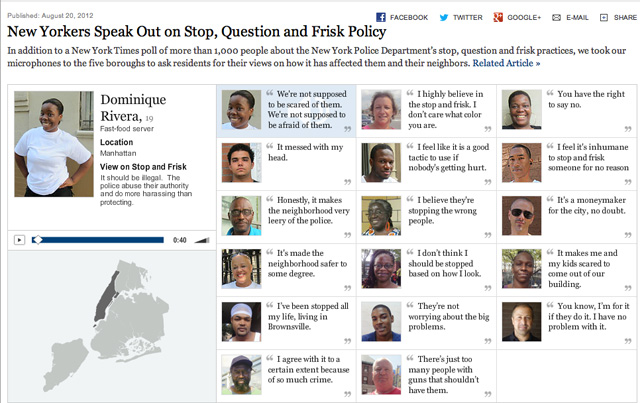
New Yorkers Speak Out on Stop, Question and Frisk Policy
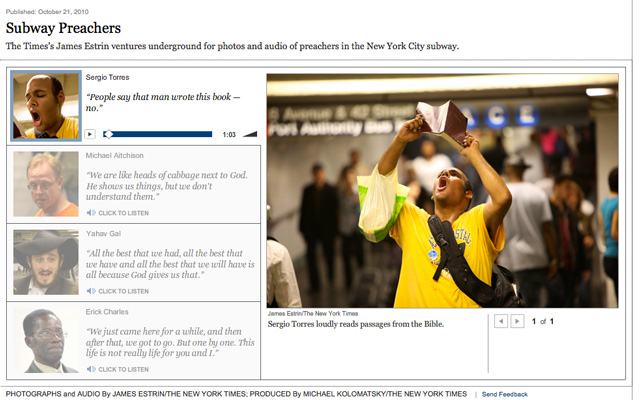
Slideshow + Audio
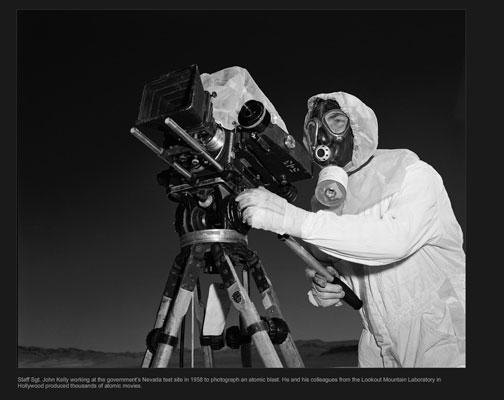
Audio Slideshows
In the audio slideshow, images, sound and caption text are layered together to tell a story. Sometimes high-quality images or illustrations with audio have much more impact than video. In the following profiles, the stories are created by weaving together photographs, audio interviews and ambient sounds.
NYT – Revisiting the South Bronx, 35 Millimeters at a Time

Non-Narrated
In these examples, the story is told by subjects themselves.
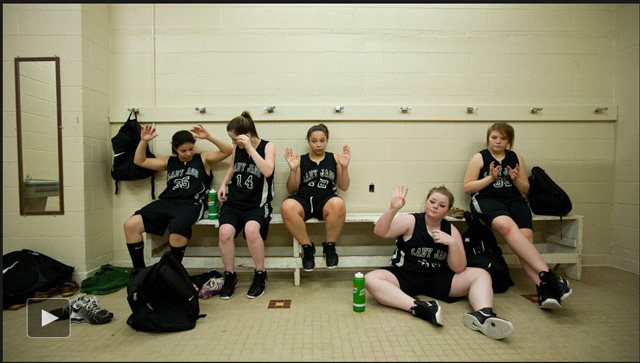
The NYTimes also has features where they are separate, and viewers can listen to the story subjects while flipping through the photographs. The Lady Jaguars
First-person, eyewitness accounts, 9/11 calls, ATC recordings, phone calls
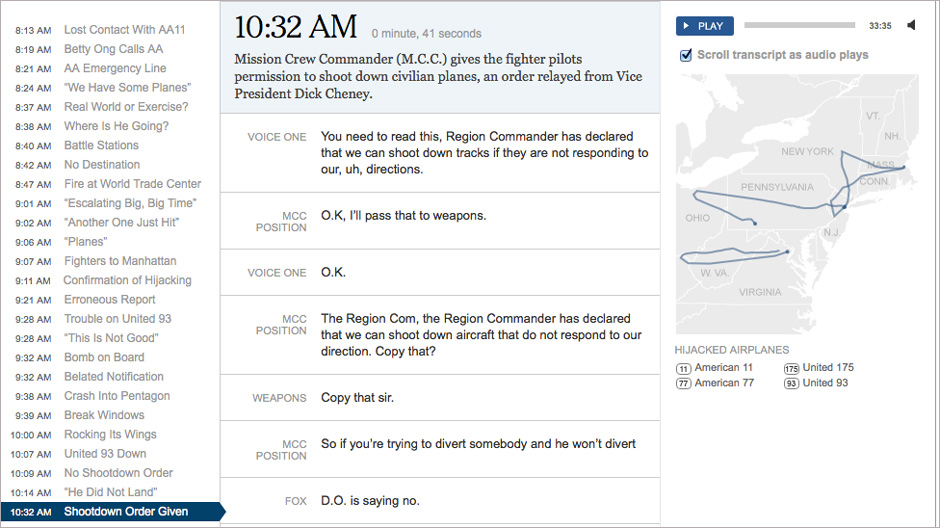
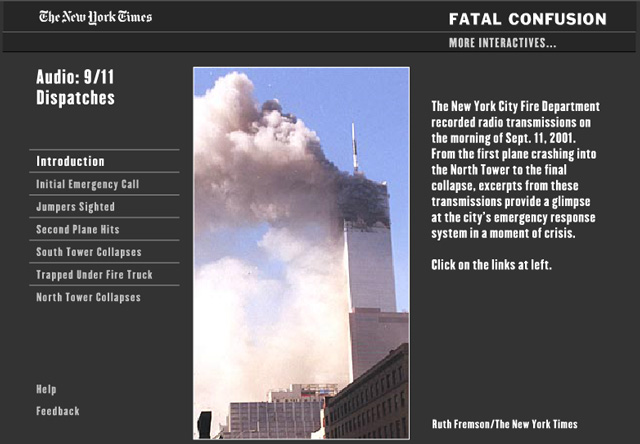
Some audio is so compelling, shocking, or unique as in the case of eyewitness testimony, 9-11 calls, and cockpit recordings that it can really place listeners at the scene.
The 9/11 Tapes: The Story in the Air
Flight 1549 – “We’re going to be in the Hudson.”

Egypt protests: ‘People are being hauled out by police and beaten’


Thousands Feared Dead as Earthquake Hits China

Arrest of Henry Louis Gates Jr.:
Police arrested Harvard professor Henry Louis Gates Jr., a well-known African-American scholar, at his Cambridge home, saying they were investigating a potential break-in. The arrest report reveals that an agitated Gates, angry for being confronted in his own home, protested and was arrested for “loud and tumultuous” behavior. The event became a national controversy.
This 9-11 call is an interesting online feature because it illustrates exactly how the initial events unfolded.
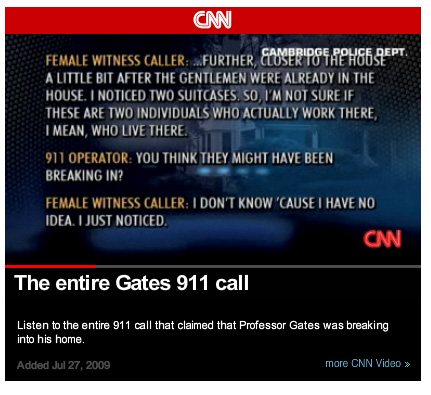
Here, the police report describes the arrest: “The Cambridge Police Department reports, authored by Sergeant James Crowley and Officer James Figueroa, quote an incensed Gates yelling, ‘This is what happens to black men in America!,’ and, when asked by Crowley to speak with him outside the residence, Gates replied, ‘Ya, I’ll speak with your mama outside.’”
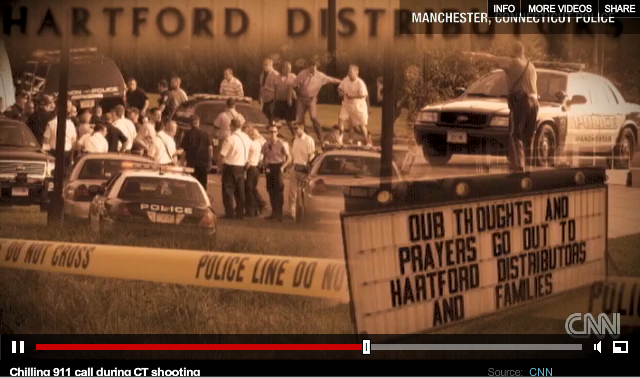
CNN – 9-11 Call in the Connecticut shooting August 5, 2010
Event coverage
Audio excerpts and transcripts can allow viewers to scan and review in-depth important events.
Analysis of the Arguments — The Supreme Court Health Care Challenges

Tours, guides, how-to’s, instructional audio
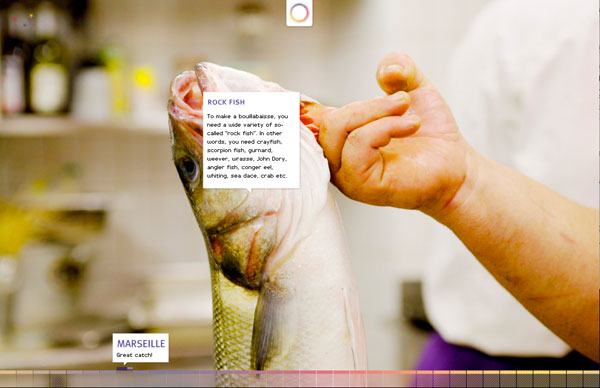
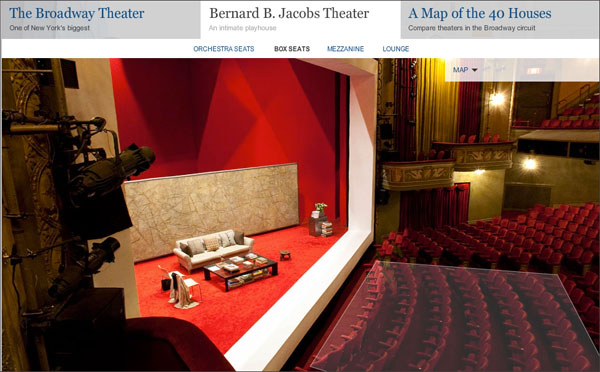
At the Metropolitan Museum, a New Wing, a New Vista



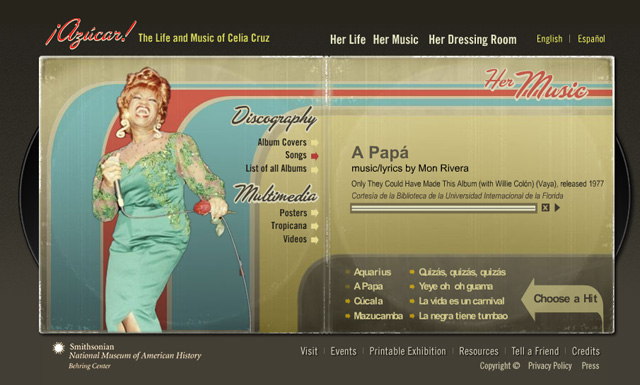
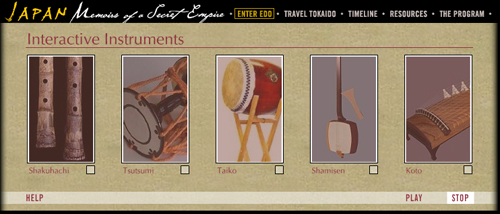
PBS: Japan – Memoirs of a Secret Empire
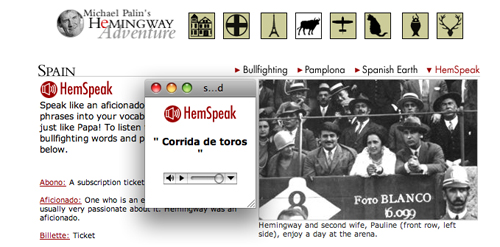
PBS: Michael Palin’s Hemingway Adventure – Hemspeak

III. Multimedia documentaries
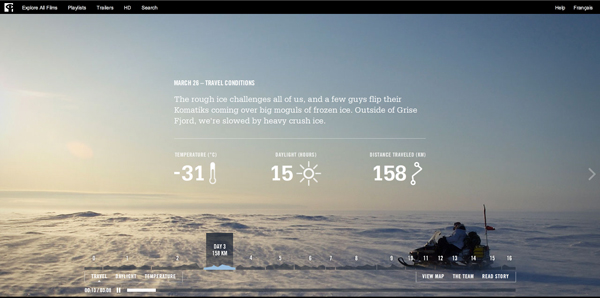
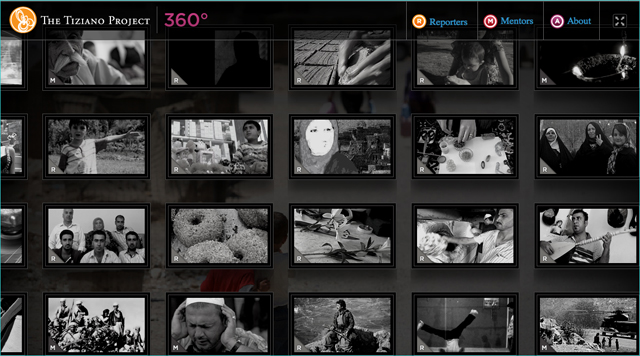
National Film Board of Canada: This Land
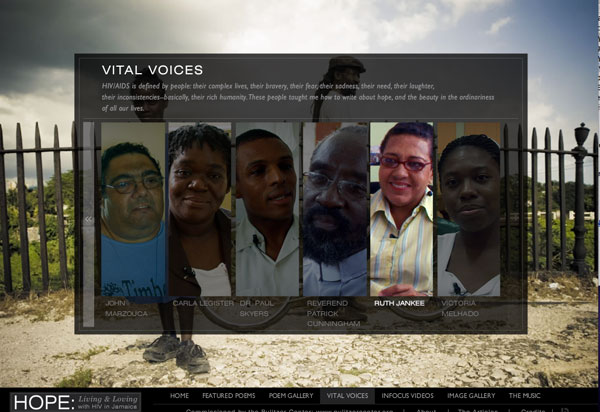
Water is Life: Water is Neglect


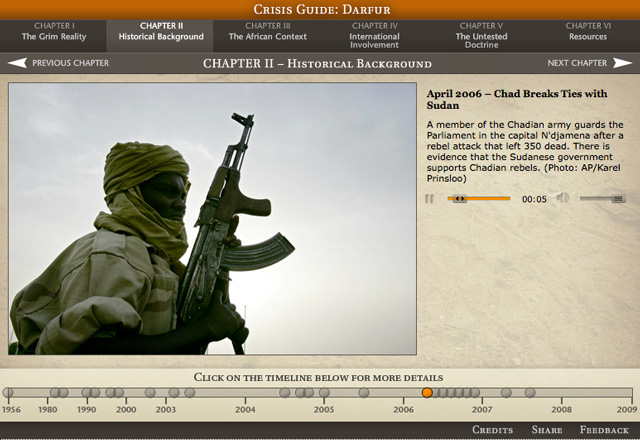
Sudan Crisis Guide (Council on Foreign Relations) – audio timeline
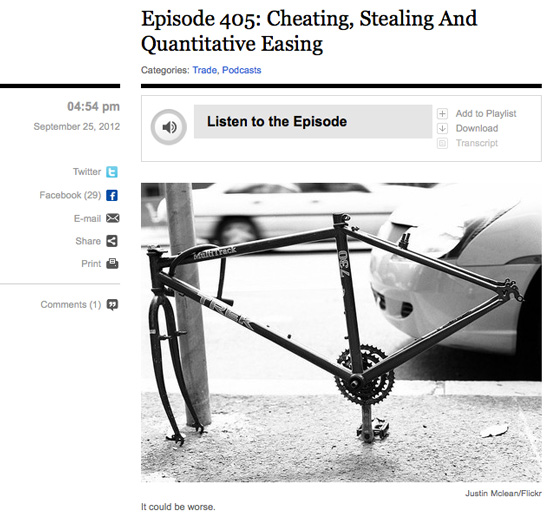
V. Podcasts


Resources:
Editing Audio II (PDF)
Mediastorm – Gathering Audio (PDF)
No Fear Guide to Multimedia Skills (PDF)
Apple Pro – Techniques
Ethical guidelines for editing audio
Poynter: Sound in the Story
Radio news tips
Filmsound.org
Audio tips for print reporters from NYT sound sage Amy O’Leary
CUNY Soundmap