Pelham Parkway
LEARNING THE NITTY GRITTY OF MY MINI-CITY
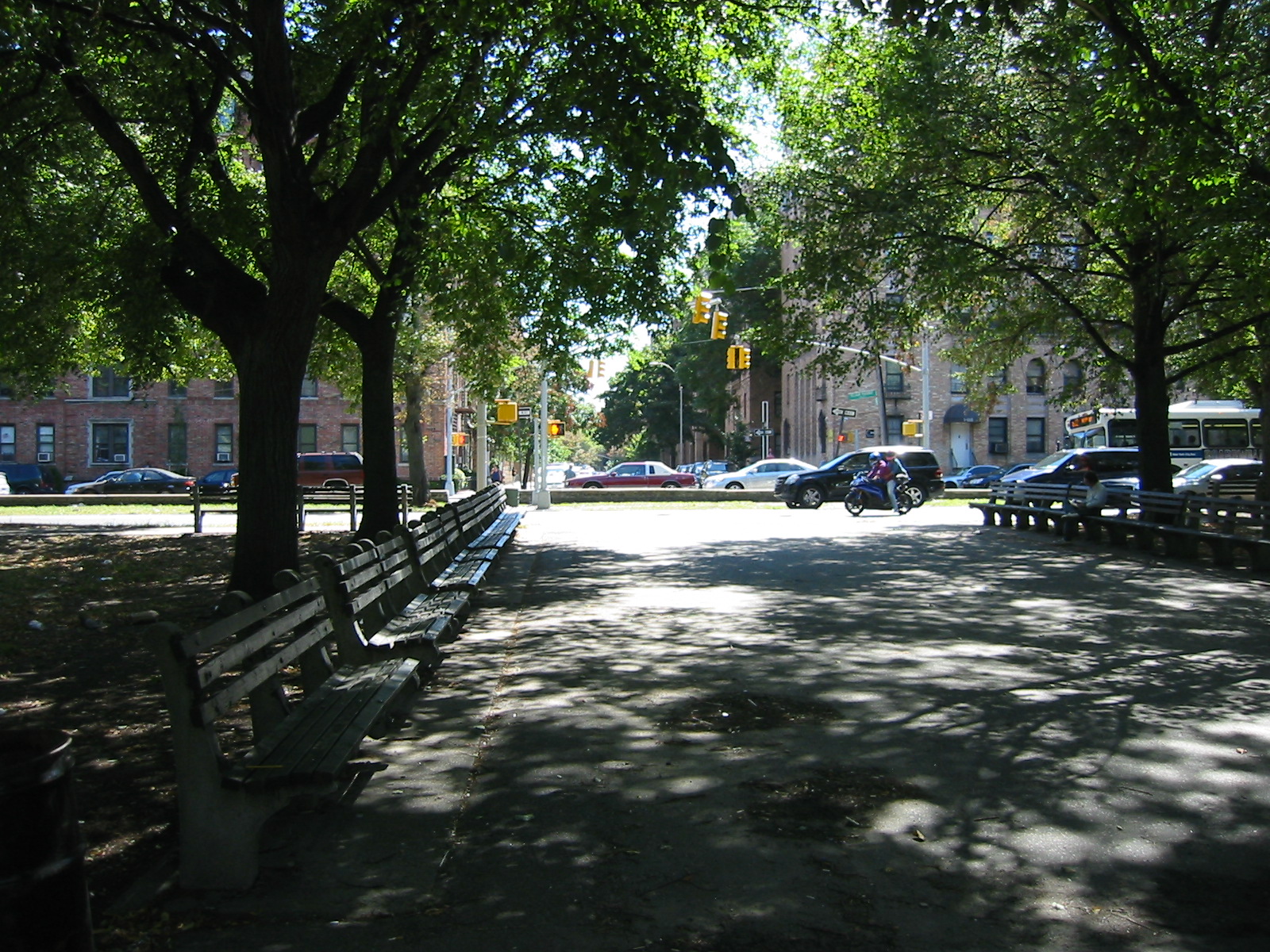
I currently reside in the Pelham Parkway area of the Bronx. Though it has more official titles like zip-code 10469, Northeast Bronx, and the home of the 49th Precinct. I moved here from Soundview back in 2004. Yet, as familiar as I have gotten with the area in the last 10 years, I’ve never truly felt like I knew what makes this corner of New York City I call home, really tick. So it was with great intrigue that I began my investigation into finding the real nitty gritty details of my neighborhood.
The borough of the Bronx is the resting place for 1,455,444 New Yorkers, according to the ACS 2015 Population Estimate, 30,073 of which are my neighbors in Pelham Parkway. What I never knew was that 54 percent of my neighbors are female. Which would come as good news to the single gentlemen of the area hoping for options? The median age is 36, which makes me not average and slightly younger. Like most places in New York City, my locality can be considered a “melting pot” of races. However, the dominant groups consist of Whites (20 percent), Blacks/African Americans (56 percent), and Hispanics (25 percent). And since I could be deemed as both White and Hispanic, that means I can relate to 45 percent of my neighbors on a certain cultural level.
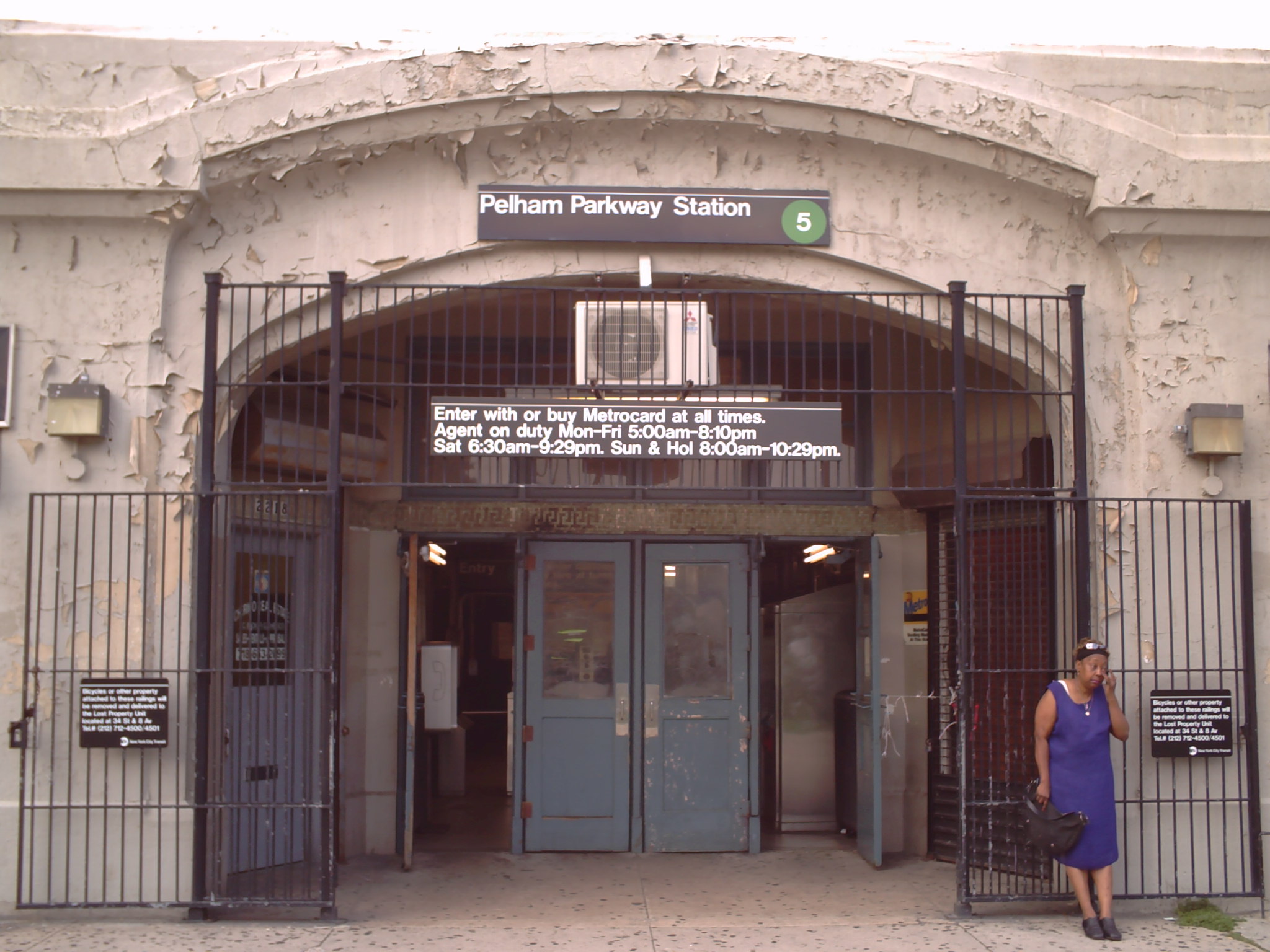
However, if we can’t connect on a cultural level, surely, we can relate on our mutual responsibilities to our employers? As I pass by my fellow district denizens on mornings to work 49 percent travel by car, truck or van and 45 percent by public transportation (51 percent of them being women). Unfortunately for many of those travelers, 30 percent need an hour or more to get to their destinations and the average travel time for all of these migrants is 40.5 minutes, making me realize how fortunate I am to have such a short travel to my job. The median income is $56,000, with the jobs most common in the area being in the fields of health care and retail. About 8,665 work in health and social services (24 percent male, 76 percent female) and 3,172 (51 percent male, 49 percent female) working in retail businesses.
Mixed in with those travelers are students as well as former students. Enrollment rates are strong for children of the region. Over 70 percent of their parents and grandparents (25 and older) have gotten their high school diplomas, along with another 21 percent of them having gone on and earned a Bachelor’s degree. Both levels have been attained most often in the 25-34 age groups (84 percent and 25 percent respectively).
It is no coincidence that a full education coincides with better employment opportunities. So for the individuals without a solid educational base, poverty can become an issue. In Pelham Parkway, 13 percent of the inhabitants fall below the poverty rate. The households with the greatest poverty rates are those run by single mothers. Nonetheless, poverty levels in the area are lower than both the city (17 percent) and Bronx’s specific average (27 percent).
Along with poverty, also comes crime. The land held under the purview of the 49th Precinct has not seen too much change in the status quo of criminal proceedings from last year to this year. There have been three more murders and 2,000 more instances of petty larceny (that number makes me uncomfortable). Robbery, felony assault and burglary are down, but otherwise, across the board, most of the crime statistics are at or near the previous year numbers. The one positive is overall crime has gone down immensely in the last 24 years. So this neighborhood isn’t a utopian society, but at least it’s not New Jack City-style 90s scary anymore.
Aside from the threat of crime, air quality for residents of the community is more positive than negative. Instances of asthma visits to emergency rooms are higher compared to the rest of the city, but better than the Bronx’s boro-wide average. Indoor air quality (consisting of mold, secondhand smoke or the existence of roaches and mice) is on par with the rest of the city, but again still better the Bronx average. Lastly, occurrences of leaks, crack/holes and general maintenance issues are on par with the rest of the city but still better than the rest of the county.
I have never been under the impression that where I live is on par with more elite neighborhoods like Park Slope, the Village, or Chelsea. However, it isn’t Alphabet City, Bed-Stuy, or the South Bronx. So in this case, being average is actually a good thing. This leads to a solid way of life, and reason to appreciate where I rest my head, perfections and imperfections included.
(All census statistics are as of 2012, while Health and NYPD Records encompass 2013-2014 numbers)