Meatpacking
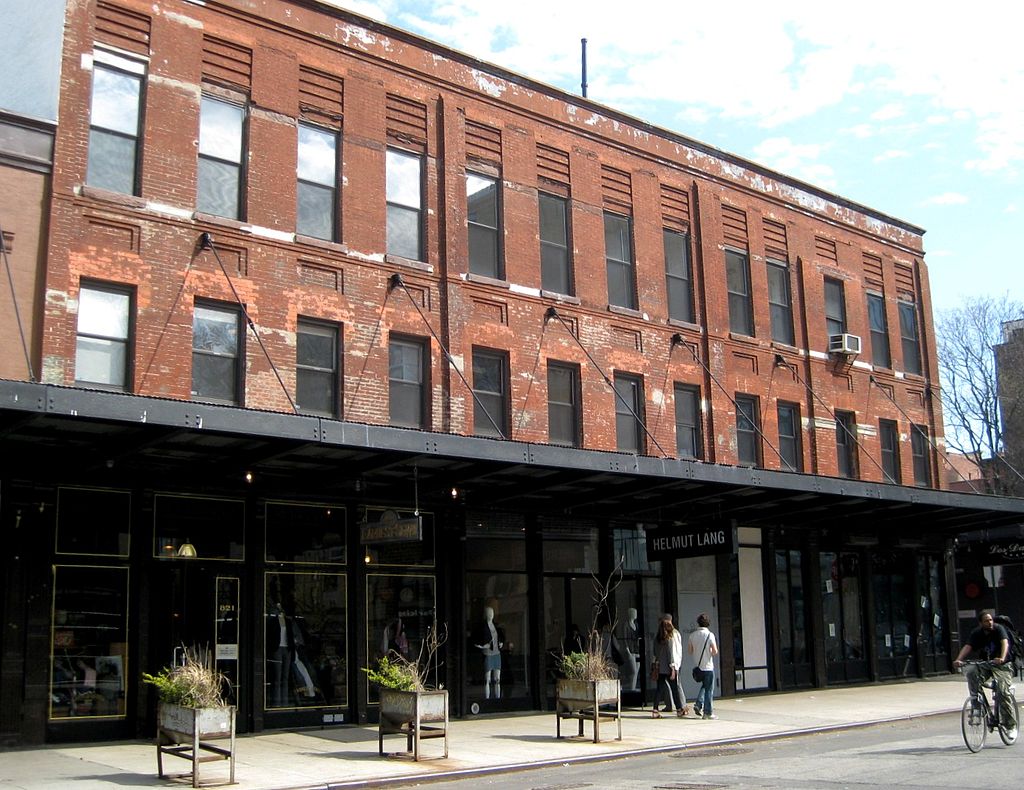
In Manhattan there are many places that attract people from all over the world but one place that gets the most attention is the Meatpacking District. The Meatpacking District is a neighborhood which goes from West 14th Street to Gansevoort Street. The neighborhood has a lot of history because it once used to house a lot of people in rowhouses. In the post-Civil War era, there were many businesses that were successful but in particular there were two, the Gansevoort Market and the West Washington Market. These two markets started the Meatpacking District’s future as a big manufacturer of produce and meat.
Today, if you take a look at the Meatpacking District it is completely different. There are not too many actual meat and poultry shops, because they have been taken over by trendy nightclubs and expensive boutiques. According to the American Community Survey of 5-year estimates from 2009-2013, the population was 30,597. The neighborhood is known to be not only trendy but also very expensive. The median rent paid in 2013 was $1,847 and the median household income in 2013 was $165,232. This is clearly a lot of money and we can see from these numbers exactly how much this neighborhood cost. But the average household size in the Meatpacking Districts is about 1.7 people, and the percentage of family households in the district is 16.7 percent.
The median age for males is 37.5 years and for females it is 37.6 years. So the age group living in this neighborhood is similar. The percentage of married-couple families among all the households is only 20.5 percent and the percentage of married-couple families with children is 59.6 percent. So there are definitely families living there with children. There are also a slim percentage of single-mother households with about 15 percent.
In this neighborhood, there are only about 3 percent of people there who do not speak English. There are also about 42.1 percent of people who are born here. The percentage of native residents who were born outside of the United States is only about 1.5 percent but the percentage of foreign-born resident is slightly higher at 16.8 percent.
The overall occupation of males and females are really different. The majority of men are in the management occupation field, while most women are in sales and office occupations. The second major field for males is service occupations and for females it is also service occupations.
The percentage of the population who are below the poverty level is very low (5.3 percent) compared to the New York population, which is at 20.9 percent.
Though it might seem like this neighborhood is too expensive for you to have a good time, there are also a lot of fun things to do that will not cost you a lot. It is definitely worth visiting this neighborhood because there are a lot of fun and interesting things to see.